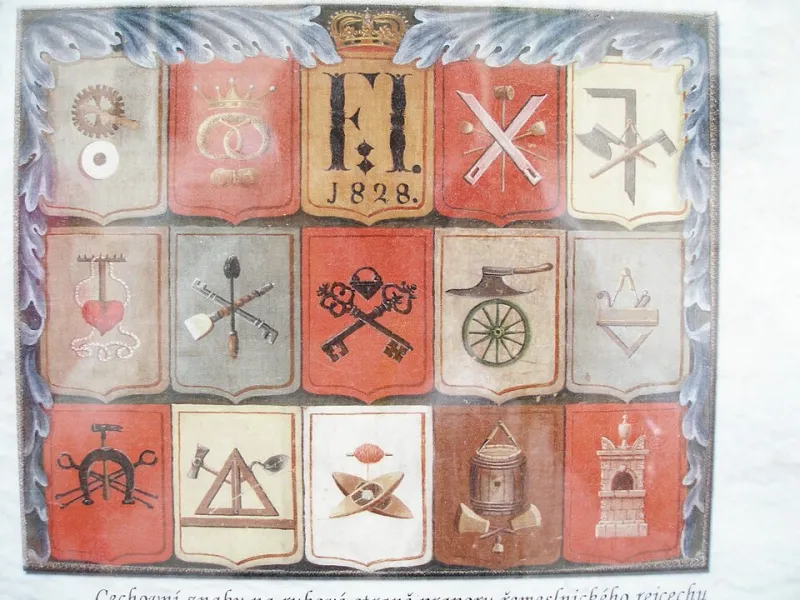
Carve These Seven Runes Into Your Guild Banner or Watch It Burn
Communities don't die from bad games — they die from missing structure. Seven symbolic runes, seven real pillars, and the guilds that either built on them or got buried without them.

Born of Legend. Forged in Battle.
Communities don't die from bad games — they die from missing structure. Seven symbolic runes, seven real pillars, and the guilds that either built on them or got buried without them.

Twitch gave us a pantheon and we gave it our wallets. But ancient hero-worship came with warnings we've conveniently ignored — and the fall of a stream god burns a lot of worshippers on the way down.
Before the aim, before the grind, before the first ranked match — there was a name. We dig into the ancient art of naming, why your tag is a spell you cast on everyone who sees it, and how to forge one that actually carries weight.
Ancient warriors didn't hand out membership cards — they put initiates through the fire, and the fire did the bonding for them. Here's how modern teams and guilds can borrow that machinery with five practical trials that forge real loyalty.
Communities rarely die in one dramatic collapse — they fade while the leaders are busy, one skipped event and one silent voice channel at a time. Here are the seven warning signs, each with a mythological mirror and a fix you can use tonight.
Fanbases aren't built on silverware — they're built on the story of the night everything went wrong in a basement LAN and somebody refused to quit. Here's why your org needs a founding legend more than it needs another rebrand.
Championship rosters don't just age out — they get priced out. Before the decline in performance ever shows up in a scoreline, the financial architecture of a dominant team is already collapsing under its own weight. Here's how the economics of esports kill dynasties on a schedule.
Every championship collapse has a paper trail — and most of it lives in scrimmage footage that nobody outside the org ever sees. The coaches who catch what internal matches are actually saying about their roster are the ones who fix problems before they become legends of failure.
The most dangerous player on some rosters never touches the server during a championship run. When a backup becomes genuinely credible, they stop being a reserve and start being a psychological weapon — one that forces opponents to prepare for a fight that might never come.
Every warrior reaches the moment where the sword gets heavier and the reflexes get slower. The organizations that recognize that moment — and act on it with grace instead of denial — are the ones that protect both the player and the legacy. This is the hardest call in esports, and almost nobody makes it right.
Going undefeated sounds like the ultimate achievement. In practice, it might be the most dangerous thing that can happen to a competitive roster. The teams that never lose often have no idea how to handle it when they finally do — and the fall, when it comes, is almost always spectacular.
Every championship roster has a name that doesn't show up in the highlight reel. Not because they weren't there — but because what they do doesn't show up in clips. It shows up in wins. And the organizations that understand the difference between those two things are the ones that keep winning after everyone else has moved on.
The bench used to mean you weren't good enough. The best orgs in esports have flipped that script entirely. Inside the strategic revolution turning substitute players into dynasty-builders.
Fame is a trap. The GMs quietly building esports' most dominant franchises already know that. Here's why the best executives in the game are the ones you've never heard of — and what happens when their counterparts forget that lesson.
Every competitor runs on a cycle — peaks, valleys, burnout windows, and comeback hunger. The orgs that understand those rhythms aren't just managing rosters. They're timing detonations. Here's how performance science is reshaping esports strategy.
Analytics transformed esports, but the legends who actually hoisted trophies have always known something the spreadsheets can't capture. The finest strategic minds in competitive gaming walk a razor's edge between hard data and something older, something earned — a battlefield intuition that no algorithm has ever successfully bottled.
Every esports org has made this call at least once — hand the headset to the guy who carried the hardest and hope the magic transfers. It doesn't. Here's why the best blade in the armory rarely becomes the best general in the war room, and how to tell the difference before you waste a season finding out.
Most guilds don't fall apart because of bad players — they fall apart because nobody ever asked the hard questions before it mattered. Run your guild through this brutal six-part framework before your next recruit ever signs their name.
The best in-game leaders in competitive esports aren't reacting to what's in front of them — they're narrating a future their teammates haven't seen yet. It's an almost mythic skill, and the teams that have it are nearly impossible to rattle. Here's why the oracle archetype is the rarest and most valuable leadership model in all of competitive gaming.
The best esports dynasties aren't built on clout signings and hype cycles — they're built on the same principles ancient rulers used to choose who would carry their legacy forward. If your org is still chasing Twitter follower counts instead of bloodline potential, you're already losing the long game. Here's how the smartest orgs scout like kings.