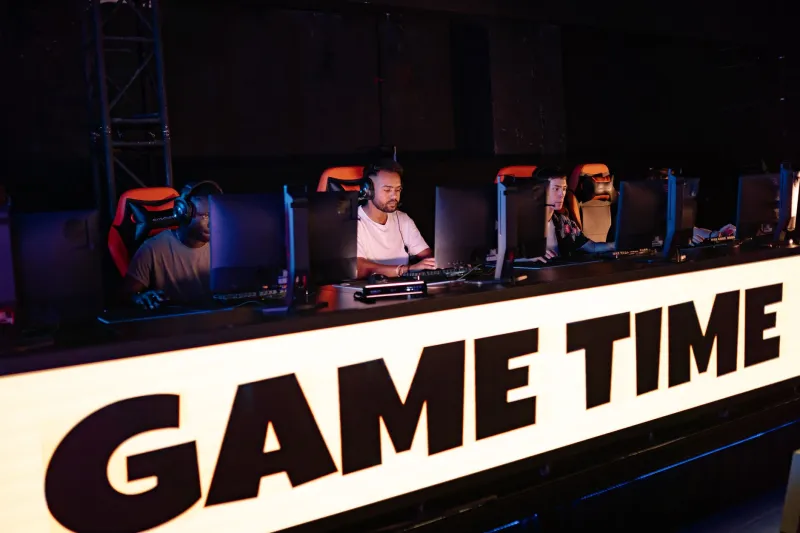
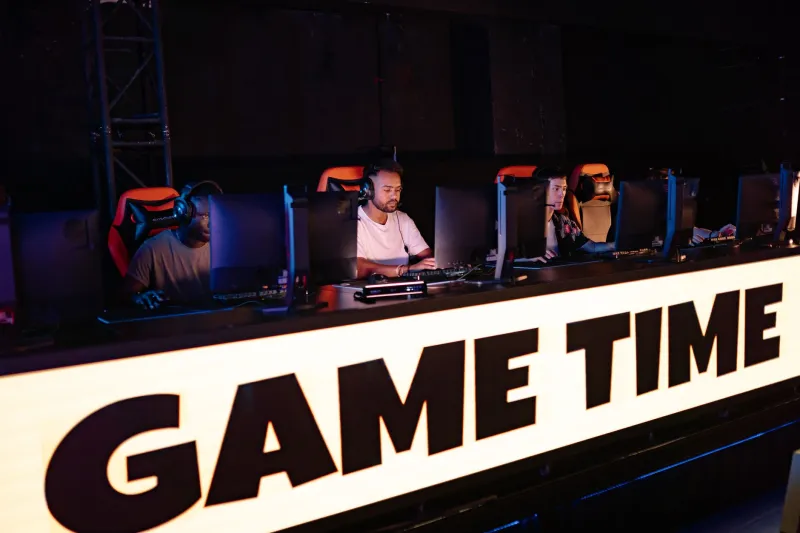
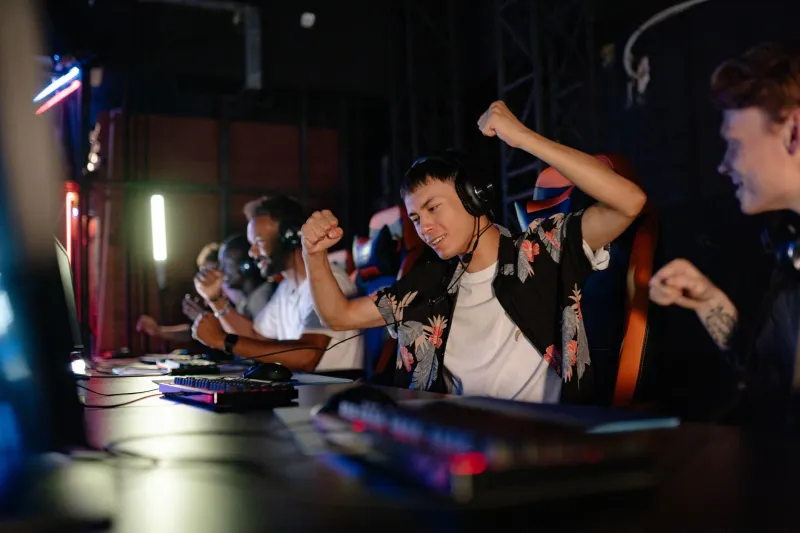
Reserve Warriors: How the Smartest Esports Orgs Turned Their Bench Into a Championship Weapon

There's an old idea in competitive gaming that the bench is where careers go quiet. You get subbed out, you sit behind the starters, and eventually you fade. That story made sense when esports was still figuring itself out — when rosters were lean, budgets were tighter, and depth was a luxury most orgs couldn't afford anyway.
That era is over.
The organizations winning titles right now aren't just collecting the best five or six players they can find. They're engineering systems — deliberate, layered, almost architectural in their thinking — where the reserve roster isn't a fallback position. It's a tactical instrument. And the teams that haven't caught on yet are getting punished for it at the worst possible moments.
What the Old Model Got Wrong
For years, the default thinking went something like this: build your starting lineup, lock it in, and treat the bench as insurance you hope never to use. Substitutes practiced alongside the main roster but rarely received the same coaching attention, the same mental prep, or the same strategic investment. They were understudies in the truest theatrical sense — present but peripheral.
The problem with that model reveals itself brutally during long tournament runs. Players hit walls. The meta shifts mid-event. A starter's personal life implodes during a major. Burnout doesn't announce itself with a press release — it shows up in the form of a dropped grenade or a whiffed ultimate at the worst possible moment.
Orgs that treated their bench like a graveyard had nothing to reach for when any of those scenarios unfolded. They were one bad week away from watching a championship window slam shut.
The Forge Model: Depth as Design
The smarter organizations started approaching reserve development the way ancient craftsmen approached metallurgy. You don't leave raw iron sitting in a corner hoping it stays useful. You work it. You heat it, shape it, test it under pressure so that when you actually need it, it performs.
Cloud9 has operated versions of this philosophy for years across multiple titles, running academy pipelines that feed directly into their main roster construction. The idea isn't just to have warm bodies available — it's to have players who already understand the system, the communication patterns, and the strategic identity of the team before they ever step onto a main stage. When the call comes, the transition is measured in hours, not weeks.
Team Liquid has taken similar approaches in their Valorant and League of Legends operations, using roster flexibility not just as a response to injury or underperformance but as an active meta-adaptation tool. When the game shifts, you want a player in the wings whose style fits the new landscape — not a starter who's been grinding the old meta into the ground for six months and can't pivot.
The Meta-Shift Substitution
This is where bench strategy gets genuinely interesting. It's one thing to swap in a reserve because your carry is slumping. It's another to substitute because you've read the meta shift before your opponent has and you have exactly the right player to exploit it.
NRG Esports demonstrated this kind of chess-level thinking during various Rocket League and FPS runs, where roster moves that looked reactive from the outside were actually pre-planned responses to competitive landscape changes the org had been tracking for weeks. The bench player wasn't a plan B. They were a loaded round waiting for the right moment to be chambered.
The psychological dimension matters here too. When opponents know your bench is genuinely dangerous — not just a collection of players who couldn't crack the starting five — it changes how they prepare. They can't just study your starters. They have to account for a wider range of styles, tendencies, and strategic signatures. That preparation burden accumulates. It wears people down.
Building the Forge: What It Actually Takes
Running a legitimate reserve development program isn't cheap or easy, which is partly why so many orgs still skip it. It requires dedicated coaching bandwidth for players who aren't generating highlights right now. It requires a front office culture that values long-term construction over short-term optics. And it requires honest communication with reserve players about their development timelines — something a lot of orgs are genuinely bad at.
The orgs doing it right share a few common traits. First, they integrate reserves into strategic film sessions rather than treating those meetings as starter-only territory. If a reserve player doesn't understand the team's decision-making philosophy at a deep level, they can't execute it under pressure. Second, they create structured competitive reps — whether through academy leagues, scrimmages against other top-tier teams, or tournament slots specifically allocated to developing roster members. Practice against the main squad helps, but nothing sharpens a player like real competitive stakes.
Third, and maybe most importantly, the best orgs build psychological investment in reserve players by making the development path explicit. You're not sitting here because you failed. You're here because we're building something, and this is your stage in the process. That framing changes everything about how a player carries themselves when they're finally called up.
The Rotation Advantage
Beyond individual development, some of the most forward-thinking organizations are experimenting with intentional rotation — not just subbing when someone struggles, but cycling players through starting roles strategically to maintain freshness across a brutal competitive calendar.
The modern esports schedule is relentless. Regional leagues, international qualifiers, majors, invitationals — the calendar doesn't breathe. Expecting five players to maintain peak performance across that entire arc isn't sports science, it's wishful thinking. Teams that rotate deliberately keep their players fresher, reduce the burnout risk that quietly kills playoff runs, and maintain a level of competitive sharpness in their reserve players that pure benchwarming never produces.
It's the same logic that made platoon systems work in baseball and rotation management essential in basketball. The athletes who compete in high-stakes environments need active management of their physical and mental load. Esports is catching up to that reality, and the organizations leading that charge are the ones building rosters that don't just start strong — they finish.
The Bloodline Runs Deep
Here at Sons of Kryos, we've always believed that dynasties aren't built on singular brilliance. They're built on systems that survive the absence of any one warrior. The greatest empires in history didn't collapse when a single general fell because they'd spent years forging the ranks behind him.
The esports organizations that will define this decade aren't the ones with the flashiest starting rosters. They're the ones that looked at their bench, decided it was a forge, and got to work.