Send Them Home Standing: The Art of Retiring a Legend Before the Legend Dies

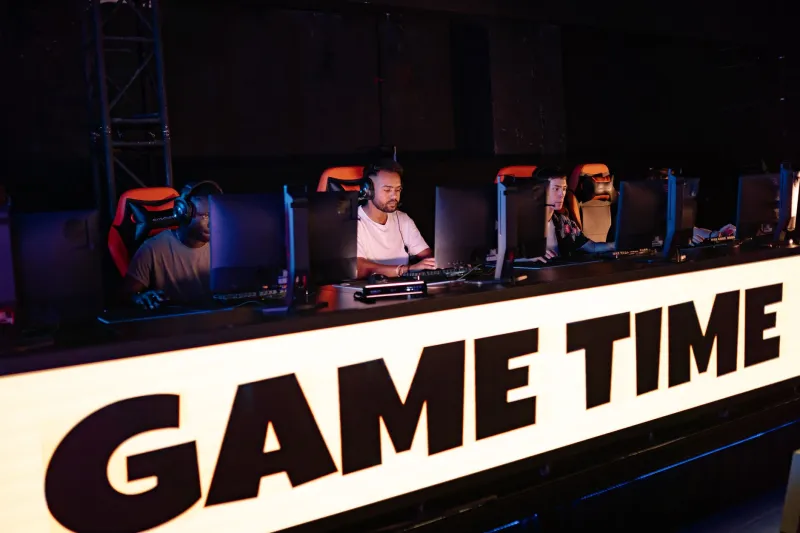
Photo: esports player retirement ceremony trophy stage, via sundial.csun.edu
There's a scene in almost every great warrior myth where the hero has one fight too many. You know how it ends. The crowd that once roared goes quiet. The legend doesn't disappear — it just dims, slowly, until people stop talking about what the warrior was and start whispering about what they've become. In esports, that scene plays out on a main stage somewhere every single year. And nine times out of ten, it didn't have to happen that way.
Retiring a legendary player — or guiding them toward a graceful exit — is one of the most delicate, most consequential decisions an esports organization can make. Most orgs get it wrong. The ones that get it right? They build something that lasts longer than any single roster ever could.
The Myth of the Infinite Prime
Here's the uncomfortable truth that front offices don't want to put in a press release: competitive gaming careers are short, and the window where a player operates at their absolute ceiling is even shorter. We're talking sometimes two or three years of genuine peak performance before the physical and mental grind starts taking its toll.
Reaction times slow by fractions of a second that wouldn't matter in everyday life but are catastrophic at the highest level of play. Mental fatigue accumulates differently when you've been grinding the same competitive environment for six or seven years. The game itself evolves, and sometimes a player who dominated one meta simply doesn't have the adaptability to dominate the next one.
Organizations that pretend otherwise — that keep a legend on the active roster out of loyalty, nostalgia, or fear of the PR fallout — aren't doing the player any favors. They're borrowing against a legacy they're slowly spending down to zero.
What the Ancient Generals Understood
This isn't a new problem. The Romans had a concept around the idea that a general's greatest act of leadership was often knowing when to hand over the sword. Cincinnatus, one of the most celebrated figures in Roman history, is remembered not just because he was effective in battle but because he chose to walk away at the height of his power and return to his farm. That decision — voluntary, deliberate, on his own terms — is what turned him from a general into a symbol.
Esports has very few Cincinnatuses. What it has instead is a long list of players who stayed too long, whose final years became awkward footnotes to careers that deserved better endings.
The organizations that understand this dynamic treat retirement not as a failure but as a final act of respect. They frame it correctly, they plan for it, and they involve the player in the process rather than making it feel like a roster cut dressed up in ceremony.
The Transition That Preserves Everything
When an org gets this right, something interesting happens. The legend doesn't disappear from the culture — it gets embedded in it. Coaching roles, ambassador positions, content creation, mentorship pipelines — there are a dozen ways to keep a legendary player's influence alive inside an organization without pretending they can still compete at the level the roster demands.
This matters for reasons that go beyond sentimentality. Young players on the roster watch how the org treats its icons. If they see a legend pushed out the door quietly, stripped of relevance, they make a mental note. They understand what the organization values and what it doesn't. But if they watch a retiring veteran get honored, transitioned thoughtfully, and kept connected to the team's culture? That sends a completely different message about what it means to build a career here.
Fan loyalty works the same way. A fanbase will forgive almost anything if they believe the organization genuinely respects its own history. What they won't forgive — and what they remember — is watching a player they loved fade out in a series of disappointing performances while the front office pretended nothing was wrong.
Case Studies in Getting It Wrong
Without naming names and opening those particular wounds, the pattern is consistent across multiple titles and multiple eras of competitive play. A player carries an org to its greatest heights. The next season, the cracks start showing. The org keeps them on — partly out of loyalty, partly because they don't have a ready replacement, partly because no one wants to be the person who makes the call. The player has a few decent performances mixed in with some rough ones. The community starts debating whether they're washed. The debates get louder. Eventually, a roster move happens that feels reactive rather than planned, and the exit is awkward for everyone.
Compare that to the rare cases where an org sat down with a player, had an honest conversation about the trajectory, worked together on a transition plan, and announced a retirement that felt like a celebration rather than a concession. The difference in how those stories live on in the community is enormous.
The Hardest Conversation in the Building
None of this is easy to execute, and it would be dishonest to pretend otherwise. Players often don't see their own decline the way analysts and coaches do. They're competitive people — that's why they made it to the top in the first place. Telling someone who has defined their identity around being one of the best in the world that the time has come to step back is genuinely difficult, and it requires a level of organizational courage that a lot of front offices simply don't have.
But the orgs that build real dynasties — the ones whose names get spoken with reverence years after the roster has turned over entirely — are the ones willing to have that conversation. They invest in the relationship enough to make it honest. They respect the player enough to tell them the truth before the truth becomes obvious to everyone watching.
That's not cruelty. That's the highest form of organizational loyalty there is.
The Legacy Is the Asset
At the end of the day, an esports organization's most durable asset isn't any individual player. It's the culture, the story, and the names that echo through that story with the right kind of weight. When a legend retires on top — or close enough to the top that the memories stay golden — that name becomes part of the foundation the next generation builds on.
Send them home standing. It's the hardest call. It's also the right one.