What the Practice Room Already Knows: Reading the Fractures Before They Crack a Championship
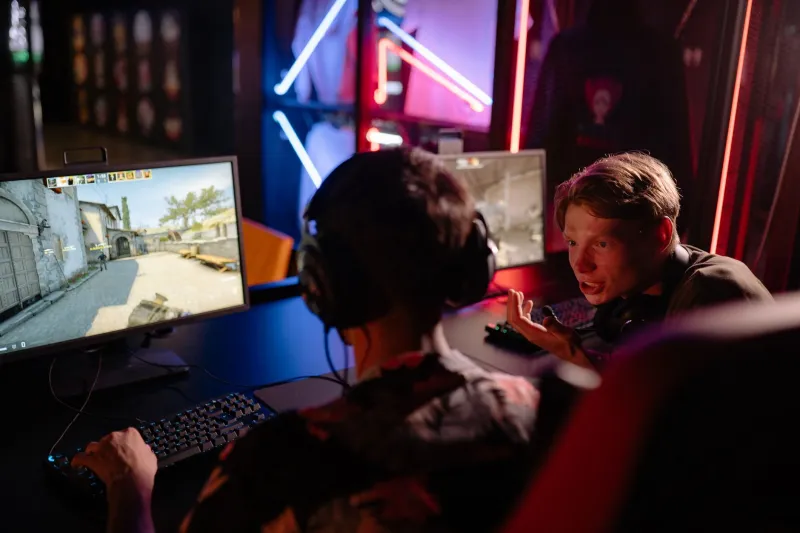
The match everyone remembers is the one played on stage, under lights, with a crowd and a broadcast and a legacy on the line. But the match that decided the outcome? That one happened weeks earlier, in a practice room that smelled like energy drinks and anxiety, with nobody watching except the people who knew exactly what they were looking at.
Internal scrimmages — the private, unbroadcast, closed-door matches that make up the vast majority of an esports team's competitive reps — are where the real diagnostic work happens. Or where it's supposed to happen. The organizations that understand what scrims are actually measuring don't just use them to build mechanics. They use them to find the fault lines before the earthquake.
The Lie That Public Matches Tell
Here's the uncomfortable truth about broadcast performance: it's a lagging indicator.
By the time a team looks broken on stage — communication collapsing under pressure, decision-making reverting to individual heroics, shot-calling dissolving when the deficit hits a certain threshold — the fracture has been present for weeks. The public match is just when the pressure finally exceeded what the structure could hold.
Coaches and analysts who rely primarily on VOD review of official matches are, in a meaningful sense, reading yesterday's news. They're diagnosing what already happened. The orgs that stay ahead of decline are the ones treating internal scrimmage data as predictive intelligence — a window into what's coming rather than a record of what's passed.
The smartest practice rooms aren't just training environments. They're early warning systems.
What Analysts Actually Watch For
The mechanical stuff — aim, positioning, pathing, objective timing — is almost secondary in a well-run scrim analysis session. Any decent analyst can track those. What separates the elite war rooms from the average ones is the capacity to read the behavioral and psychological data layered underneath the gameplay.
Specifically, there are a few signals that experienced coaches learn to treat as red flags:
Communication decay under simulated pressure. When a team is winning comfortably, communication tends to stay clean. The real test is what happens when a scrim goes sideways — when a draft goes wrong, when an early objective gets ceded, when the momentum shifts. Does the shot-caller's voice stay level and directive? Or does it start hedging, deferring, going quiet? The shift from commanding language to questioning language is one of the earliest signs that a player's confidence is eroding.
The reset problem. Championship-level teams can lose a round, a fight, or a significant objective and mentally reset without carrying the weight of that loss into the next engagement. Scrims reveal which players genuinely reset and which ones only appear to. The tell is subtle — a slightly more aggressive or slightly more passive response in the immediate aftermath of a loss, a micro-hesitation before the next engagement that wasn't there before. Individually, these are almost invisible. Across a two-week scrim block, they become a pattern.
Roster combination performance deltas. This is where the analytical work gets genuinely interesting. Most teams run scrims with relatively consistent lineup configurations, but the smartest orgs rotate deliberately — testing different five-player combinations against the same opponents across multiple sessions. The performance delta between combinations often reveals which players are elevating their teammates and which ones are quietly creating ceilings. You might have five individually capable players whose collective output varies by 30% depending on who's in the room together.
The Politics of What Gets Reported
Here's where it gets human, and therefore complicated.
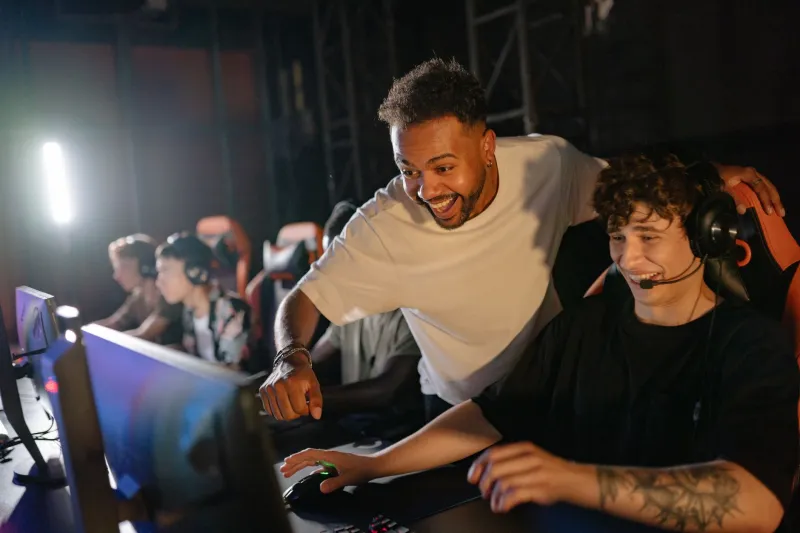
Scrim environments have a social ecosystem. Veterans carry informal authority. Younger players read the room before they speak. Coaches navigate the difference between what they observe and what they can actually say to a roster built around strong personalities.
The failure mode isn't usually that coaches don't see the problems. It's that the organizational culture makes certain problems unspeakable.
If the team's franchise player is the source of the communication breakdown — if their in-match behavior is what's creating the dysfunction that shows up in scrim data — that's an incredibly difficult conversation to have. Especially when that player's contract, marketability, and public profile are central to the organization's identity. The data says one thing. The business reality says something else. And sometimes the business reality wins, right up until the moment it doesn't.
The teams that build genuine psychological safety in the practice environment — where a support player can flag a concern about a star's decision-making without career consequences — are the ones that actually act on what the scrims are telling them. That's a culture problem before it's an analytics problem.
Designing Scrims to Find Pressure Points
Passive observation only goes so far. The most sophisticated practice programs are designed to deliberately create conditions that expose weaknesses.
This might mean manufacturing deficit scenarios — starting a scrim from a losing position to test comeback mentality and communication under stress. It might mean running the same tactical sequence repeatedly until it fails, watching which player breaks the chain and how they respond to the failure. It might mean scheduling particularly high-stakes internal matches before major tournaments, not to build confidence, but to identify exactly where the structure bends.
The goal isn't to break the team. The goal is to find the fractures in a controlled environment where they can be addressed, rather than discovering them live on a stage in front of thousands of viewers and a broadcast audience that will archive the collapse forever.
The Practice Room Doesn't Lie
Every championship collapse has a paper trail. Walk it backward and you'll find the moment — in a scrim, in a practice session, in a closed-door debrief — where someone saw what was coming and either acted on it or didn't.
The organizations built to last are the ones that built cultures where acting on it was possible. Where the practice room's testimony was treated as sacred intelligence, not inconvenient noise.
The warning was always there. The question is whether anyone was listening.