They Had the Intel and Burned It Anyway: 5 Esports Orgs That Ignored Their Own War Room
Here's the thing about Krypton that nobody talks about enough: the planet didn't blow up because the science was wrong. It blew up because the council decided that being right mattered less than being comfortable. Jor-El had the numbers. He had the models. He had every warning sign laid out in front of the most powerful governing body on the planet — and they voted to do nothing.
Sound familiar?
Because the esports world has been running that same tragedy on repeat, just with keyboards and coaching staff instead of crystal chambers and Kryptonian elders. Organizations spend real money building out analyst teams, data pipelines, and scouting infrastructure — then completely ignore everything those people produce the moment it conflicts with what the front office already wants to believe. It's not just frustrating. It's expensive. And it's preventable every single time.
Let's get into it.
1. The Roster That Everyone in the Building Knew Was Broken
There's a reason "internal sources" keep popping up in esports reporting. Because inside a lot of organizations, the people closest to the game — performance analysts, assistant coaches, even veteran players — are raising flags that leadership simply doesn't want to hear.
One of the most documented patterns in competitive League of Legends history involves orgs that held onto aging or underperforming rosters well past the point where the internal data justified it. The analytics were clear. Win rates in scrimmages were declining. Communication metrics were tanking. And yet, because a player was a fan favorite or had a contract that made buyouts awkward, the front office stalled.
The result? A mid-season collapse that anyone paying attention inside the org had already mapped out weeks earlier. The fans acted shocked. The analysts were not.
2. When the Meta Called and Nobody Picked Up
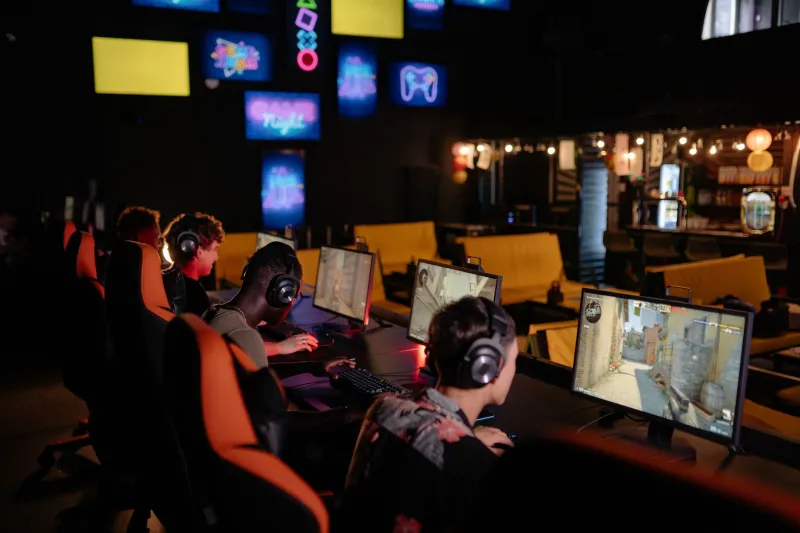
Counter-Strike has always been a game where preparation meets chaos. The teams that consistently win aren't just mechanically sharp — they're intellectually ahead. They study opponent tendencies, map preferences, utility patterns. Their analysts build entire playbooks around predicted behavior.
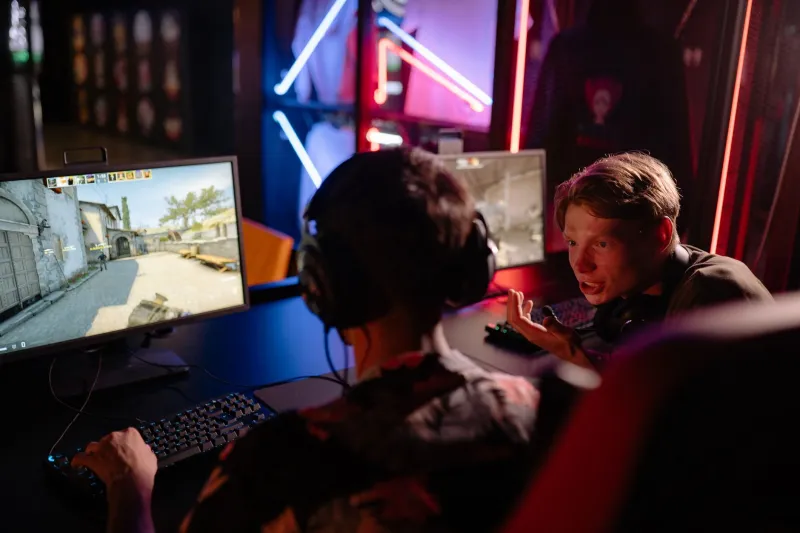
So what happens when an org builds that infrastructure, runs those hours of preparation, and then has their in-game leader ignore the game plan the moment the server loads? You get a team that looks confused on broadcast because they literally are — half the roster is running the prepared strategy while the star player freestyles in the opposite direction.
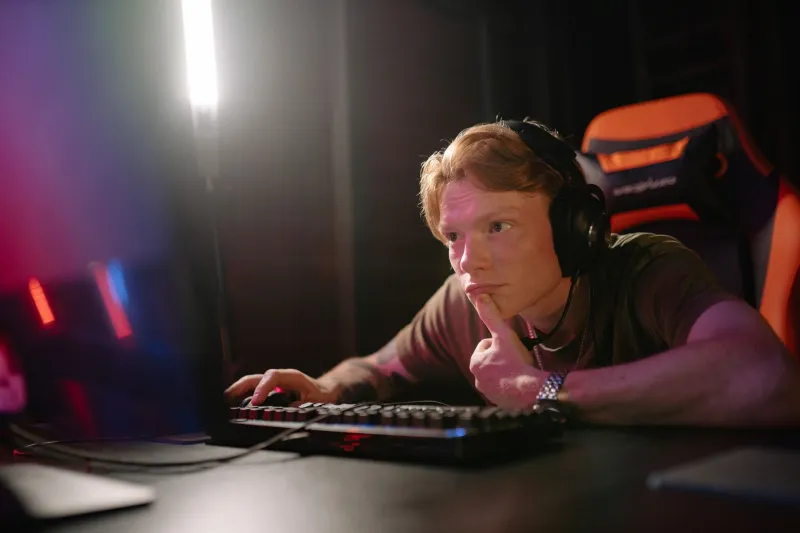
This isn't a hypothetical. It's been a recurring breakdown at multiple North American orgs across different eras of the game. The analysts did their jobs. The structure existed. The intel was good. But when egos outweigh systems, the war room becomes a very expensive room that nobody listens to.
3. The Valiant Rebuild That Wasn't
Valorант's competitive scene moved fast from the jump, and some orgs that had legacy reputations from other titles assumed their brand would carry them while they figured things out. That's a dangerous assumption in any sport. It's lethal in esports, where the meta can flip in a single patch.
At least one prominent org entering the Valorant space had analysts projecting that their agent composition philosophy was already being countered by the emerging tournament meta. The recommendation was a strategic overhaul during the offseason. Leadership pushed back, citing team chemistry concerns and the cost of rebuilding synergy.
They kept the philosophy. The meta kept evolving. By the time they finally made changes, they weren't rebuilding — they were reacting. There's a massive difference between those two things, and it cost them a full competitive year they never really recovered from.
4. The Draft Room That Management Overruled
In franchise league formats — whether we're talking LCS, the old OWL structure, or similar setups — draft decisions carry enormous weight. Miss on a signing and you might be locked into a bad contract for years. Get it right and you build a core that compounds over time.
Several organizations have had well-documented situations where scouting and analytics teams flagged specific prospects, ran the performance data, and presented clear recommendations — only to watch ownership sign someone else entirely based on personal familiarity, regional popularity, or straight-up gut feeling.
The analysts' picks, in multiple documented cases, went on to perform at high levels for rival teams. The ownership picks became cautionary tales. This isn't about analytics being infallible. It's about the fact that when you build a system specifically to reduce bad decisions and then bypass that system because you "have a feeling," you've spent a lot of money to accomplish absolutely nothing.
5. The Mental Performance Warning Nobody Took Seriously
This one might be the most important and the most ignored. As esports has matured, the conversation around player mental health and performance psychology has grown significantly. Organizations started hiring sports psychologists and mental performance coaches. They started tracking burnout indicators and stress metrics.
And then, in several high-profile cases, those professionals raised serious concerns about specific players heading into major tournaments — concerns about exhaustion, emotional regulation, and competitive readiness — and were told to stand down because the schedule was already set and the money was already committed.
Predictably, those players underperformed. Not because they lacked skill. Because the warning signs were real and the org chose logistics over people. The mental performance staff had done exactly what they were hired to do. Leadership just didn't want to hear it.
The Pattern Is the Problem
None of these failures are isolated incidents. They're expressions of the same core dysfunction: organizations that build out expertise and then treat that expertise as optional when it becomes inconvenient.
Krypton's council didn't lack information. They lacked the institutional will to act on it. That's a leadership failure, not a data failure. And in esports, where margins are thin and windows are short, that kind of failure doesn't just cost you a tournament — it can cost you an entire era of competitive relevance.
The orgs that are consistently winning right now — the ones that keep showing up in finals, that weather roster transitions better than everyone else, that seem to always be a step ahead of the meta — they're not smarter than everyone else in some mystical way. They've just built cultures where the war room actually matters. Where the analyst who raises a concern gets a real conversation instead of a polite dismissal.
That's it. That's the whole secret.
The data doesn't lie. The intel doesn't have an agenda. Your analysts aren't trying to embarrass you — they're trying to keep you from blowing up the planet.
Listen to them.