Stop Grinding Alone: The Brotherhood Era of Gaming Is Here and You're Already Behind
Stop Grinding Alone: The Brotherhood Era of Gaming Is Here and You're Already Behind
There's a certain romance to the solo grind. Just you, your setup, a bag of chips, and a quest log that doesn't care what time it is. For a long time — honestly, for most of gaming's mainstream history — that was the default mode. Single-player campaigns were king. Online multiplayer was a bonus feature. And the idea of belonging to a gaming guild felt like something reserved for obsessive World of Warcraft players who had spreadsheets for their spreadsheets.
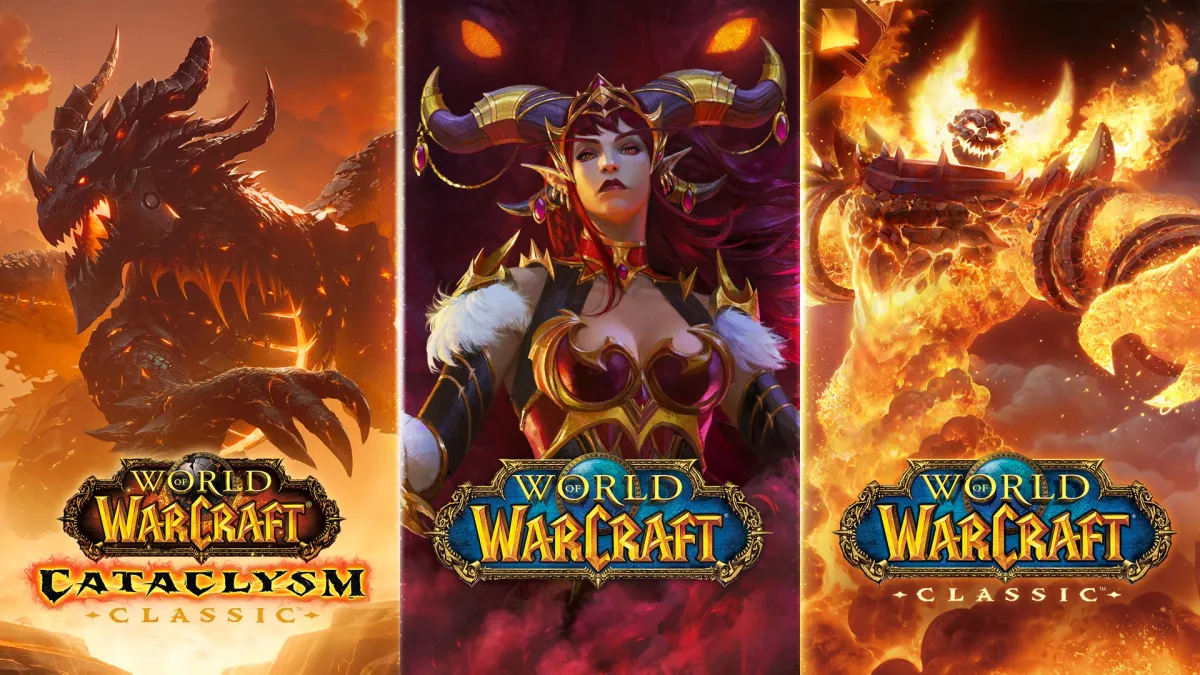 Photo: World of Warcraft, via blz-contentstack-images.akamaized.net
That era is over. And if you're still out there grinding alone in 2024, you're not a lone wolf. You're just behind.
The Numbers Don't Lie
Let's start with the cold reality. According to data from Newzoo and various platform reports, multiplayer and community-driven gaming has consistently outpaced solo engagement across every major demographic in the United States for the past several years. Games like Destiny 2, Final Fantasy XIV, World of Warcraft, and League of Legends don't just have player bases — they have living, breathing communities that function more like organizations than casual friend groups.
Destiny 2's clan system alone has millions of registered clans. WoW guilds have been a cornerstone of American gaming culture since 2004. And in the esports world, team ecosystems — the coaching staff, analysts, content creators, and die-hard fan communities surrounding pro organizations — have turned competitive gaming into something that looks a lot more like a sports franchise than a basement hobby.
This isn't a trend. It's a structural shift in how Americans play.
What a Guild Actually Gives You
Here's what the solo grinders miss: belonging to a real gaming community isn't just a social nicety. It's a competitive advantage.
In World of Warcraft, the difference between a well-organized mythic raiding guild and a pug (pick-up group) isn't just coordination — it's knowledge transfer. When you're embedded in a guild, you have access to players who've already solved the problem you're stuck on. You have callouts, strategies, and accountability. You clear content faster, you gear up more efficiently, and frankly, you have a lot more fun doing it.
In Destiny 2, clans unlock specific rewards that solo players simply cannot access at the same rate. Bungie literally built the clan system into the progression loop because they understood something important: people play longer and spend more when they feel like they belong to something.
And in competitive titles like Valorant, Apex Legends, or League of Legends — try ranking up consistently without a coordinated team. Go ahead. We'll wait. The gap between a five-stack that communicates and a solo queue experience is not a gap. It's a canyon.
The Esports Ecosystem Is a Brotherhood Model
Look at the most successful esports organizations in the country right now — Team Liquid, Cloud9, FaZe Clan, 100 Thieves. What do they all have in common beyond the prize money and the sponsorship deals? They've built cultures. Internal identities. A sense of shared mission that extends beyond any single game or season.
FaZe Clan didn't become a cultural phenomenon by having the best individual players. They built a brand that players, fans, and content creators wanted to be part of. 100 Thieves operates more like a streetwear and lifestyle brand than a traditional esports team — because they understood that the community around the competition is often more powerful than the competition itself.
This is the guild model applied at scale. And it works.
Mythology Knew This First
Here's something worth sitting with: every great warrior tradition in human mythology was built around a brotherhood. The Myrmidons followed Achilles. The Argonauts sailed with Jason. The Warriors of the Red Branch rode with Cu Chulainn. Odin's Einherjar trained together in Valhalla for the final battle.
Nobody in myth went it entirely alone — and the ones who tried (looking at you, Achilles sulking in his tent) paid for it. The solo hero arc is always a temporary phase in a larger story about finding your people and fighting alongside them.
That's not a coincidence. That's a fundamental truth about how humans — and warriors — operate at their best.
It's also, not coincidentally, exactly what Sons of Kryos is built on. We didn't name ourselves after a lone wolf. We named ourselves after a lineage, a bloodline, a brotherhood that carries something forward together.
The Counterargument (and Why It Doesn't Hold Up)
Sure, there's a case to be made for solo gaming. Elden Ring is a masterpiece. Baldur's Gate 3 (mostly) works as a solo experience. The single-player campaign isn't dead — great narrative games still get made, and we love them.
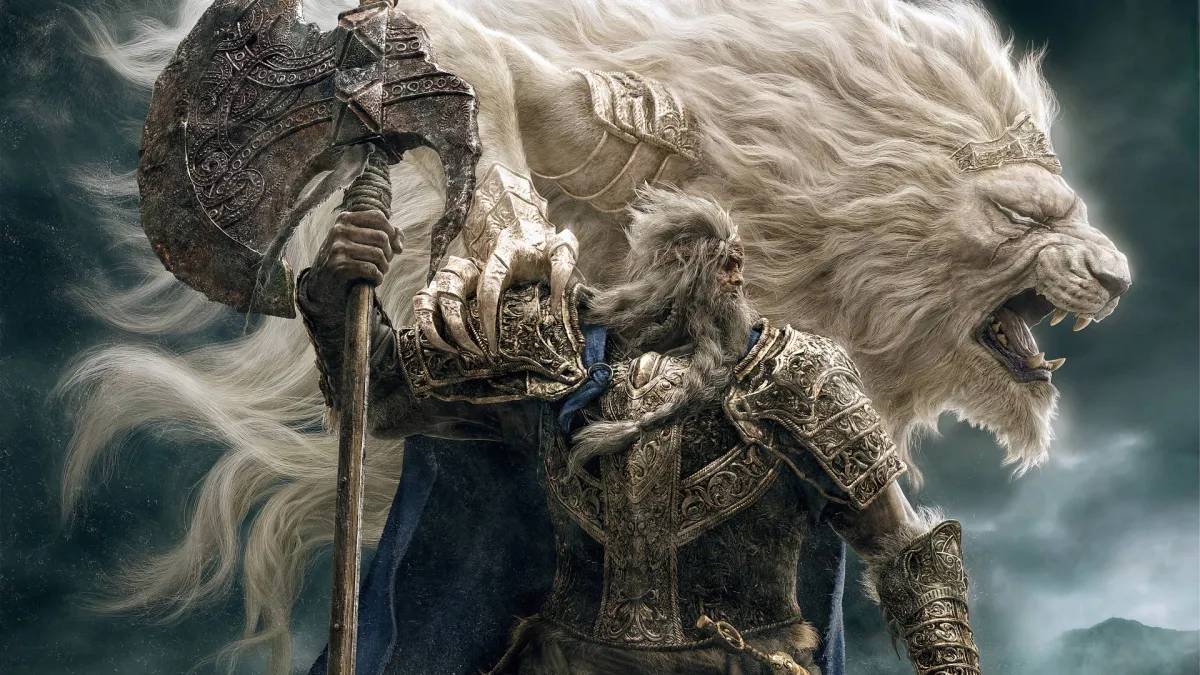 Photo: Elden Ring, via wallpapers.com
But here's the distinction: solo games and solo gaming culture are two different things. You can play a single-player game and still be deeply embedded in a community that discusses it, theorycrafts it, speedruns it together, and celebrates it collectively. The Elden Ring community on Reddit, Discord, and YouTube is enormous and intensely communal — even for a game you technically play alone.
The era that's over isn't single-player games. It's the mindset that gaming is a solitary pursuit. That era is done.
Time to Forge Your Legacy
If you've been grinding alone — whether in ranked queues, raid content, or open-world RPGs — ask yourself honestly: what are you building toward? A higher rank? A better K/D? A cleaner completion percentage?
Those are fine goals. But they're small goals. The players who are building something that actually lasts — reputation, relationships, skill ecosystems, and shared victories — are doing it inside communities. Inside guilds. Inside factions that hold each other accountable and push each other forward.
The Sons of Kryos wasn't built for players who want to coast through content in isolation. It was built for warriors who want to forge something real alongside people who take the game as seriously as they do.
Stop grinding alone. Your crew is out there. Go find them — or better yet, come find us.