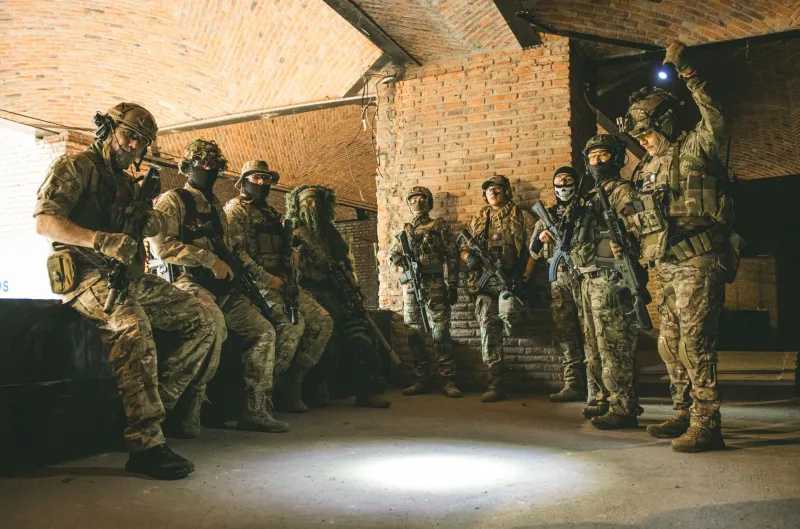
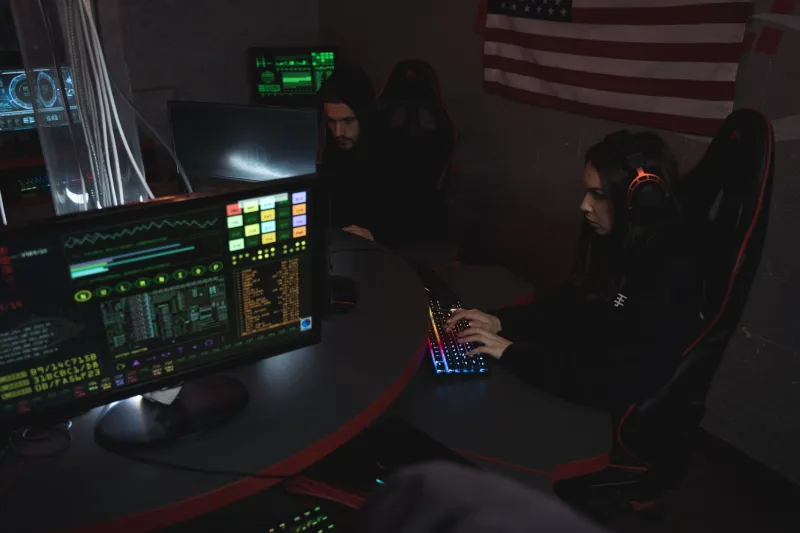
Five Seats at the War Table: How to Assemble a Gaming Squad That Hits Like a Mythological Council
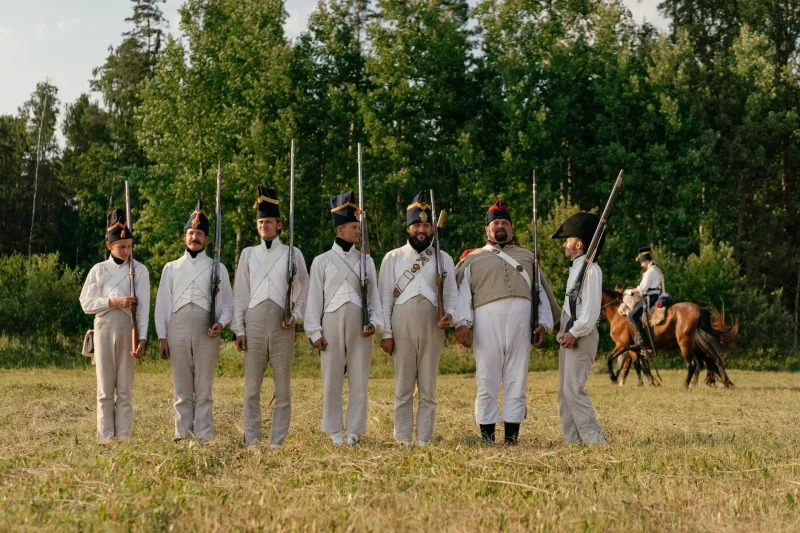
Every guild leader has been there. You've got five decent players, solid individual stats, maybe even some ranked pedigree scattered across the roster. But the moment a real tournament bracket shows up — or a scrimmage against a coordinated team — the whole thing falls apart like a siege wall with no mortar. Players step on each other. Nobody calls rotations. The shot-caller goes quiet when it matters most.
Here's the truth that mythology figured out thousands of years before esports existed: a group of capable individuals is not a council. The Greeks didn't win at Troy because every soldier was Achilles. They won because someone was Odysseus. Someone was Ajax. Someone was Nestor keeping the whole thing from imploding.
If you're building a competitive five-man squad — whether it's for a ranked grind, a league tournament, or a guild championship — you need to stop thinking about roles as game mechanics and start thinking about them as seats at a war table. Here's how to fill every one of them.
The Strategist: Your Odysseus
Every legendary war council had one person who saw three moves ahead while everyone else was reacting to the one in front of them. In Greek mythology, that was Odysseus — not the strongest, not the loudest, but the one whose mind operated on a different clock than the battlefield.
In your squad, the Strategist is your in-game leader (IGL). This is the player who calls macro rotations, reads the enemy's tendencies mid-match, and adjusts the gameplan in real time. What separates a real Strategist from someone who just talks a lot? Pattern recognition under pressure. They're not calling plays from a script — they're reading the game like a text and rewriting the ending.
What to look for when recruiting this role: Find the player who, after a loss, immediately starts explaining why it happened rather than who's to blame. They process defeat analytically. In tryouts, put candidates in high-pressure scrimmages and watch who starts calling adjustments around the third round — not the first, when it's easy, but the third, when the team is rattled.
Red flag: If your Strategist needs silence to think, they're not your Strategist. Odysseus planned the Trojan Horse in the middle of a decade-long war. Your IGL needs to perform in chaos.
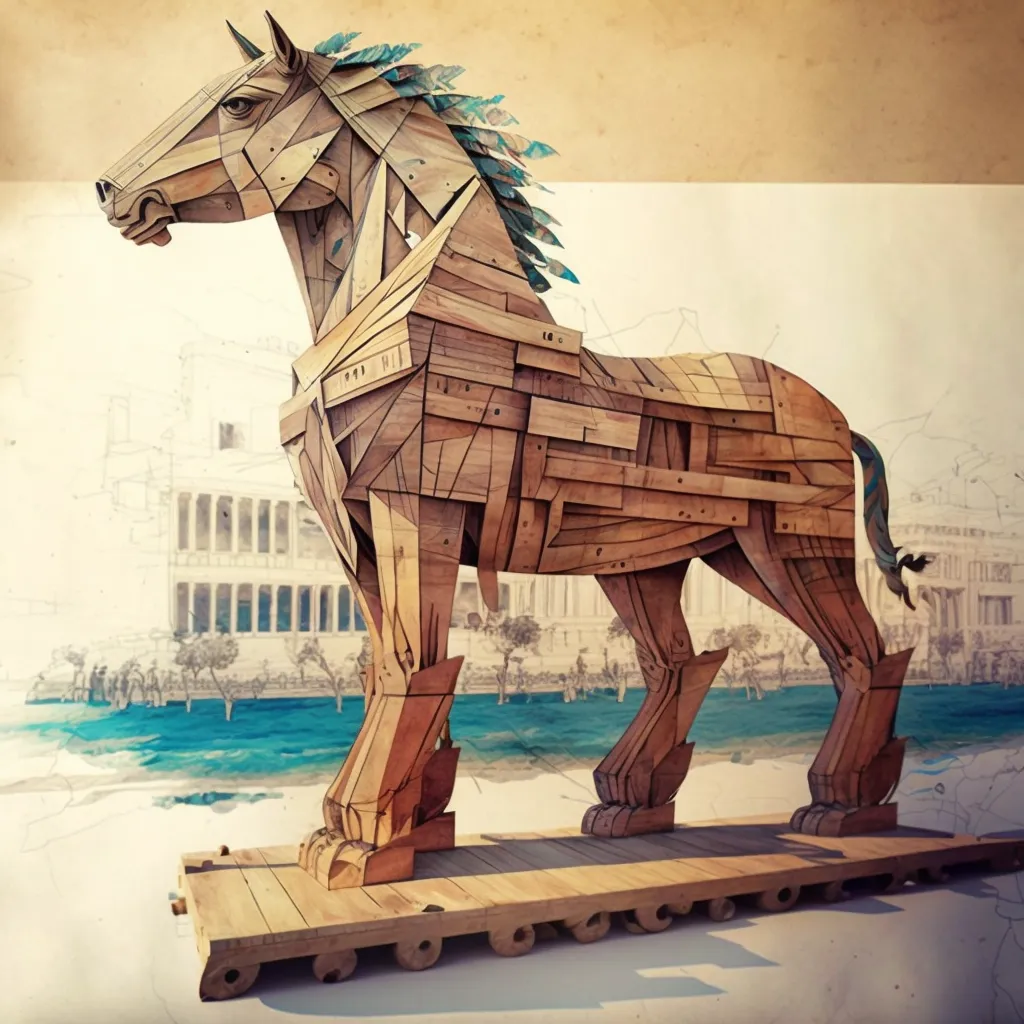 Photo: Trojan Horse, via crunchlearning.com
The Berserker: Your Ares
Ares wasn't subtle. He wasn't diplomatic. He existed to break things, and the Greeks respected that — even when they found him exhausting. Every elite squad needs one player whose job is controlled aggression: the entry fragger, the dive initiator, the pressure engine that forces the enemy into reactive mode.
The Berserker thrives in the chaos that the Strategist creates. They're the first through the door, the one absorbing information (and often damage) so that the rest of the squad can move with better data. The mistake most guild leaders make is treating this player like a liability because they die a lot. That's the point. A Berserker who never dies isn't doing their job.
What to look for: Fearlessness and fast mechanical execution. This player's stats will look ugly on paper — lower K/D in some scenarios, higher death count — but their impact stats (pressure created, space opened, enemy resources burned) will tell a different story. Watch for players who tilt hard after dying. A good Berserker treats death as data, not failure.
Recruitment tip: Don't recruit the Berserker based on highlight clips. Watch their worst rounds. How do they respond after a bad trade?
The Scout: Your Hermes
Hermes was the messenger of the gods — fast, everywhere at once, impossible to pin down. In your squad, the Scout is your information broker. They're not necessarily the flashiest player, but they know where the enemy is, where they're going, and what they're planning before anyone else does.
In most tactical shooters and MOBAs, this translates to vision control, map awareness, and early rotations. The Scout doesn't need to win their engagements — they need to survive them long enough to relay what they've seen. Information is the currency of war, and the Scout is your mint.
What to look for: Communication frequency and accuracy. During tryouts, pay attention to how often a candidate calls out enemy positions unprompted — and whether those calls are right. A Scout who gives you bad intel is worse than no Scout at all. You're looking for someone who narrates the game as they play it, naturally, without being asked.
Common mistake: Putting your second-best mechanical player here as a consolation role. The Scout requires a specific mindset — patience, discipline, and a willingness to let others get the glory. Not every player can handle that psychologically.
The Diplomat: Your Athena
This one surprises people. Athena was the goddess of wisdom and warfare — but her real power was knowing when to fight and when to hold. In the context of your squad, the Diplomat is your emotional stabilizer: the player who prevents internal fractures from becoming full roster collapses.
Every team hits a wall. Losing streaks, ego clashes, communication breakdowns after a bad tournament run. The Diplomat is the person in your Discord at 1 AM making sure nobody rage-quits the guild permanently. They mediate, they reframe, they keep the team's culture intact when everything is on fire.
This is not a soft role. The Roman Senate didn't survive on good vibes. It survived because certain members understood that institutional cohesion was a military asset. Your Diplomat understands the same thing.
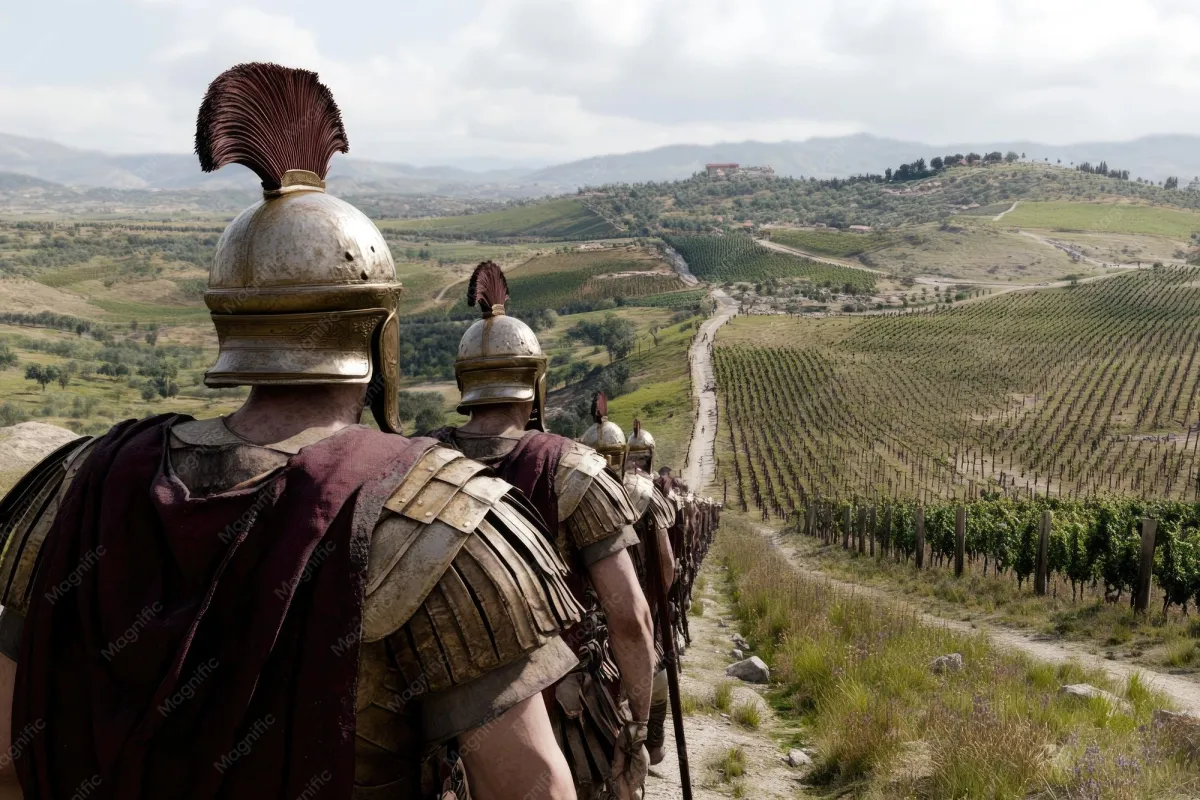 Photo: Roman Senate, via img.freepik.com
What to look for: Emotional maturity and active listening. This player probably won't be the one dominating tryout scrimmages, but they'll be the one checking in on teammates after a rough session. They're the player others want to keep playing with, even when the results aren't there yet.
Hard truth: If you skip this role entirely, your squad will be competitive for about three months before personality conflicts eat it alive. We've all seen it.
The Anchor: Your Atlas
Atlas held up the sky. Not because it was glamorous — because if he didn't, everything collapsed. Your Anchor is the player who holds the structural weight of your team's gameplan: the support, the tank, the player who enables everyone else's performance at the cost of their own spotlight.
In Norse mythology, this archetype shows up in figures like Tyr — the god who sacrificed his hand to bind Fenrir, trading personal cost for collective survival. The Anchor makes the play that doesn't show up in the kill feed but changes the entire outcome of the round. Utility usage, peel mechanics, healing priority — all of it executed with zero ego.
What to look for: Selflessness under pressure and encyclopedic game knowledge. The Anchor needs to understand every other role on the team better than the players filling those roles. They're the foundation. If they crack, the whole structure goes with them.
Recruitment note: This is the hardest seat to fill because most competitive players don't want it. Find the player who genuinely lights up talking about how they helped a teammate pop off, not about their own performance. That person is rare. Lock them in immediately.
Putting the Council Together
Here's the thing about legendary war councils — from the Argonauts to the Norse Aesir to the Roman triumvirates — they didn't work because every member was the best at everything. They worked because each seat was filled with someone who understood their specific function and trusted the others to fill theirs.
Before your next roster decision, ask yourself: which seats are actually filled at your war table, and which ones are empty? A squad running three Berserkers and no Diplomat is a grenade with the pin already pulled. A team with no Scout is fighting blind.
Build the council first. The wins follow.
Sons of Kryos wasn't built on individual glory. It was built on the understanding that the right five, in the right seats, operating with the right trust — that's where legend actually starts.