Reading the Battlefield: How Elite Esports Orgs Turned Data Into Their Most Powerful Weapon
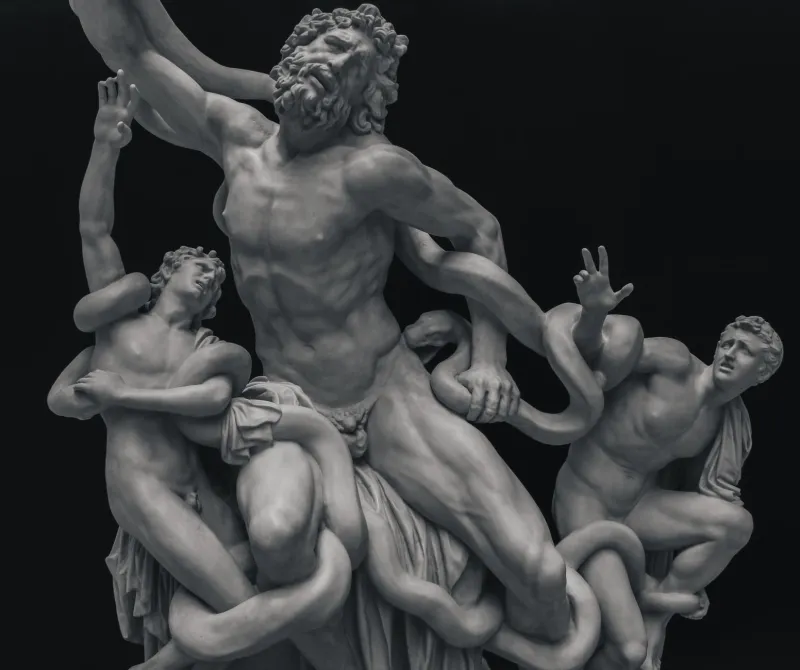
There's a scene carved into the stone of ancient Greek history that keeps coming back around. Before the Spartans marched on Thermopylae, before the Romans crossed into Gaul, before the Norse jarls launched their longships into enemy waters — someone consulted an oracle first. A seer. A diviner. Someone whose entire job was to look at the chaos of the unknown and extract a signal from the noise.
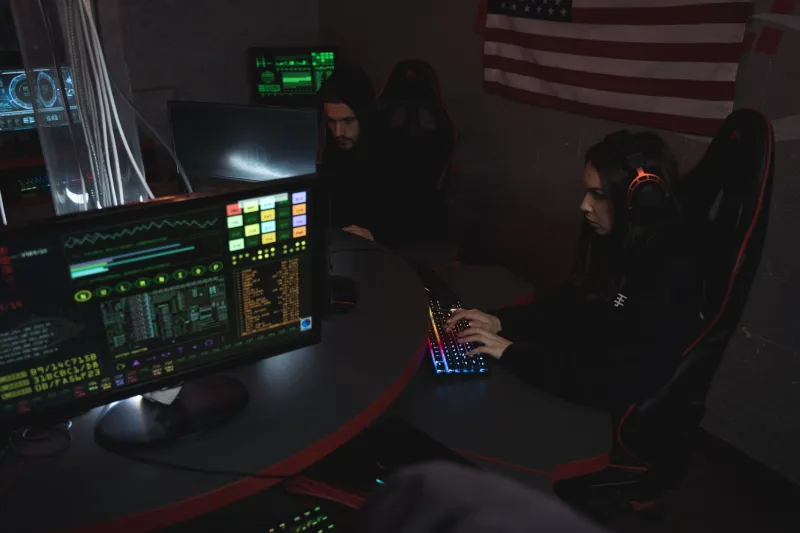
Fast-forward a few thousand years and nothing has really changed. The battlefield is digital now, the warriors wear headsets instead of helmets, but the sacred ritual of knowing before fighting is alive and well inside the war rooms of America's top esports organizations. And if you're not taking that ritual seriously, you're already losing.
The Oracle Was Never Magic — It Was Information Architecture
Here's the thing most people get wrong about ancient divination: it wasn't purely mystical nonsense. The oracles at Delphi were positioned at the intersection of every major trade route in the ancient Greek world. Pilgrims, merchants, generals, and kings all passed through, each one bringing news from distant regions. The priests and priestesses of Apollo were, in practice, running one of the most sophisticated intelligence networks in the ancient world.
The prophecies they delivered weren't pulled from thin air — they were built on aggregated information, pattern recognition, and probabilistic reasoning. Sound familiar?
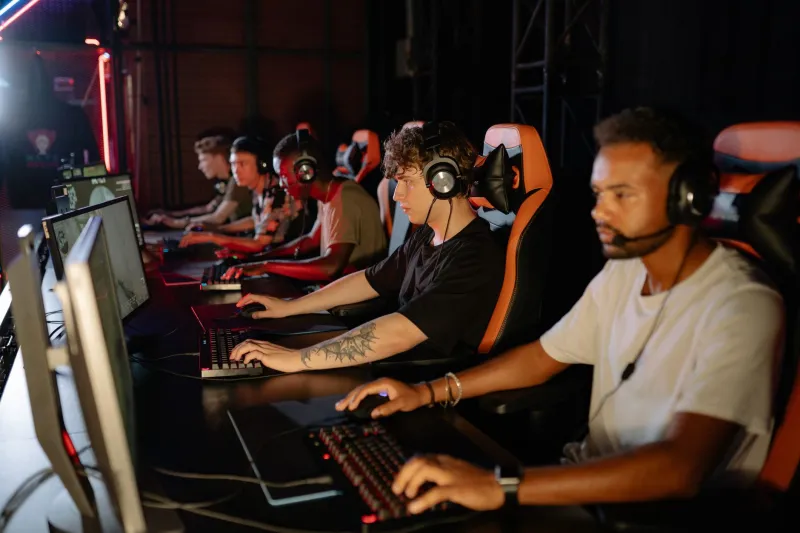
That's exactly what modern esports analytics departments do. Team Liquid, one of the most decorated organizations in North American esports history, operates with dedicated performance analysts embedded across their rosters. These analysts don't just watch VODs — they build opponent tendency profiles, map out win-condition trees, and identify statistical inflection points in matches before a single game is played. The oracle spoke in riddles. The analyst speaks in spreadsheets. The function is identical.
 Photo: Team Liquid, via biasharaleo.co.ke
The Norse Ran Scouting Networks. Cloud9 Runs the Same Play.
Norse war culture had a figure called the vitki — a practitioner of seiðr magic who was consulted before raids and major engagements. But beyond the mystical framing, these figures were deeply embedded in their communities and served as information brokers. They knew the tides, the enemy settlements, the seasonal patterns of rival clans.
Cloud9's scouting and analytics infrastructure operates on a strikingly parallel model. Their player development pipeline doesn't just watch Challenger-ranked players on stream and hope for the best. They use performance tracking software to monitor mechanical consistency, decision-making rates under pressure, and behavioral tendencies during losing streaks. They're not just finding talent — they're profiling it, predicting its ceiling, and timing acquisitions the way a Norse raider calculated the tide.
Tools like Mobalytics, Strafe, and proprietary internal dashboards used across the industry let orgs build predictive models around opponent behavior. In League of Legends, that might mean identifying that an enemy jungler has a 73% rate of invading the river within the first four minutes when they're on a particular champion. In CS2, it's heat-mapping where a rifler positions during eco rounds. The data doesn't guarantee victory. Neither did the oracle. But both tilt probability in your favor before the first blow lands.
Roman Augury and the Pre-Match Ritual
Roman commanders were legally required to consult augurs — priests who read omens in the behavior of sacred chickens, the flight of birds, and the appearance of lightning — before any significant military engagement. It sounds absurd until you understand what it actually enforced: a mandatory pause for reflection and intelligence review before committing forces to action.
The pre-match preparation routines inside top US esports orgs serve the same structural purpose. Team Liquid's coaching staff reportedly runs opponent-specific preparation blocks 48 to 72 hours before major tournament matches. These sessions aren't just about practicing mechanics — they're about internalizing opponent tendencies so deeply that the team's in-game reactions become instinctive. You've already seen this enemy's patterns in your mind a hundred times before the match starts. That's augury. That's the sacred chicken telling you which way to march.
Orgs like 100 Thieves have publicly discussed building out their own internal data science capabilities rather than relying solely on third-party tools. The investment signals something important: information infrastructure is now treated as core team infrastructure, not an optional add-on.
The Mortal Who Ignores the Oracle
Greek tragedy is full of kings who dismissed the prophecy and paid for it. Oedipus. Agamemnon. Creon. The pattern is consistent — the downfall isn't supernatural punishment. It's the consequence of arrogance in the face of available information.
In esports, this archetype shows up constantly. Teams that rely purely on mechanical skill and in-game improvisation without structured analytical preparation consistently underperform in high-stakes environments. The higher the tournament bracket, the more opponents have studied you. If you haven't studied them back, you're walking into Thermopylae without knowing there's a goat path around the mountain.
Grassroots teams and amateur orgs often skip analytics because it feels like something only the big-budget squads can afford. But the barrier to entry is lower than ever. Free versions of tools like Mobalytics, publicly available match history APIs, and community-built stat aggregators mean that any serious team can build a rudimentary intelligence operation without a massive budget. The ritual is accessible. The question is whether you're willing to do the work.
The Sacred Ritual of Knowing
What the ancient world understood — and what modern esports is rediscovering through data science — is that warfare is won before the engagement begins. The oracle wasn't a cheat code. It was a discipline. A commitment to preparation as a sacred act, not an afterthought.
The sons of Kryos who came before us didn't march blind. They gathered intelligence, read the signs, and built their battle plans around the best available picture of what was coming. The tools have changed. The ritual hasn't.
If you're competing at any level — from ranked ladder grinding to tournament play — and you're not treating pre-match preparation as a ritual worthy of that legacy, you're leaving wins on the table. The oracle is open. The data is there. All you have to do is read it.