Before the First Shot Fires: The Prophetic Mind of an Elite Esports Coach

There's a moment in every high-stakes esports match where the crowd is still buzzing, the players are still warming their hands, and the draft phase hasn't even locked in — and somewhere in the back of that team's war room, the coach already knows how it's going to end.
Not because they're psychic. Because they've done the work that most people never see.
We spend a lot of time talking about the players. The mechanical gods. The clutch kings. The fraggers who drop 40 bombs and carry their squads on their backs. But the figure sitting off-camera, headset on, tablet in hand, running probability scenarios while everyone else is still loading in? That person might be the most underrated weapon in competitive gaming.
They're the oracle. And it's time we talked about what that actually means.
The Ancient Blueprint for Seeing What Others Can't
In Greek mythology, Tiresias wasn't the strongest warrior or the most powerful god. He was a blind prophet who saw more clearly than anyone with eyes. He warned Oedipus. He counseled Odysseus in the underworld. He read the signs that others dismissed as noise. His gift wasn't supernatural — it was pattern recognition elevated to an art form.
 Photo: Tiresias, via bentleysystems.service-now.com
Cassandra had the same foresight, cursed by Apollo so that nobody would believe her predictions even when she was dead right. She saw the fall of Troy coming. She screamed it from the walls. And still, the horse rolled through the gates.
Those two figures — one celebrated for his counsel, one ignored to catastrophic consequence — map almost perfectly onto the two types of coaches you'll find in modern esports. The ones teams actually listen to, and the ones they don't until it's too late.
The great esports coaches operate exactly like Tiresias. They're not necessarily the best mechanical players in the room. What they have is something rarer: the ability to synthesize enormous amounts of information and compress it into a single, actionable read of the battlefield before the round even starts.
Draft Phase Is Where Prophecy Lives
If you want to understand how elite coaching works at its deepest level, start with the draft. In games like League of Legends, Dota 2, or Valorant, the draft phase is where matches are frequently won or lost before a single ability fires. And it's the coach's domain.
Coaches like Nick "LS" De Cesare built entire reputations around draft philosophy — the idea that champion select isn't just about picking strong heroes, it's about constructing a narrative. A win condition. A story arc that the enemy team will be forced to play into whether they want to or not. When LS was shaping rosters and reviewing comps, he wasn't just asking "what's strong right now?" He was asking "what does this force the opponent to do, and do we want them doing that?"
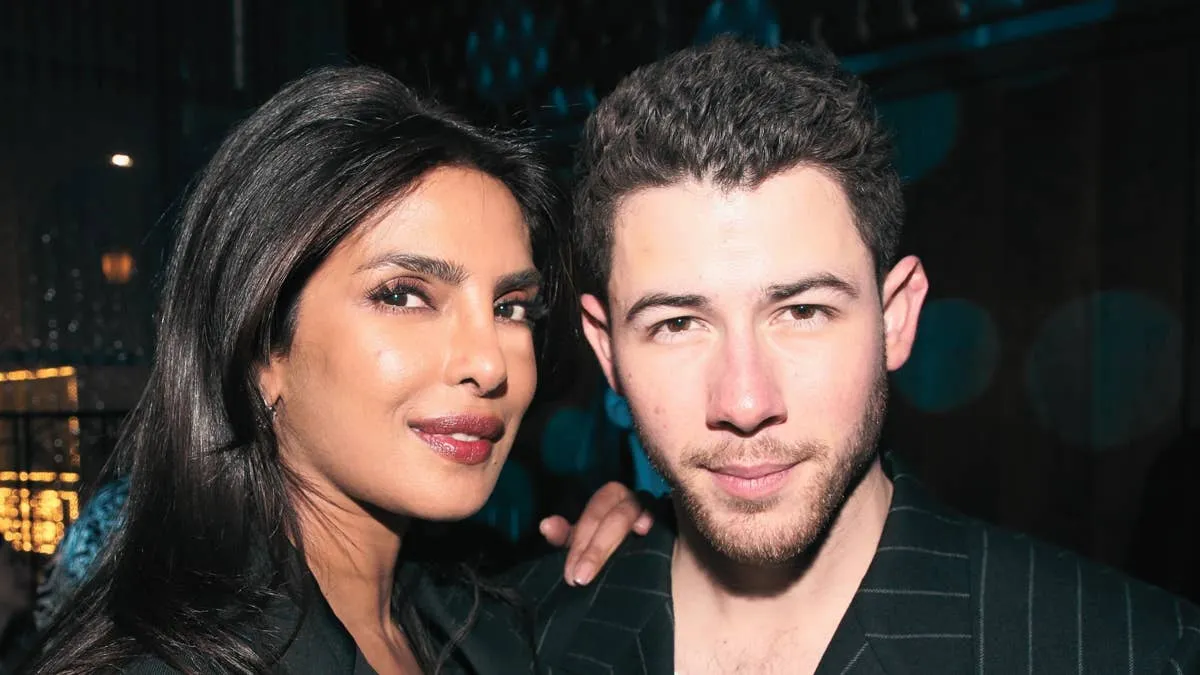 Photo: Nick "LS" De Cesare, via parade.com
That's oracle thinking. You're not reacting to the present — you're scripting the future.
Coaches at the top level of CS2 and Valorant do something similar with map veto sequences. Teams like NaVi and early-era Astralis under Zonic famously treated veto as psychological warfare. Every ban was a message. Every map kept in the pool was a trap. The opponent thought they were choosing the battlefield — they were actually walking into one that had been pre-selected for them weeks in advance.
Tendency Mapping: Reading the Enemy Like a Scroll
Here's where the real craft lives. Elite coaches don't just know their own team's game — they know the opponent's game better than the opponent does.
Tendency mapping is the process of cataloging every habit, every micro-pattern, every comfort pick and default behavior that an opposing player or team falls back on under pressure. And under pressure is the key phrase. Players are creatures of habit when the stakes spike. The mechanical noise gets louder, the mental shortcuts kick in, and suddenly that star player is running the same B-site execute they ran in three out of four overtime rounds last month.
A coach who's done the film work sees that coming. They don't guess — they forecast.
This is exactly what made the San Francisco Shock's coaching staff so formidable during their Overwatch League dynasty run. The preparation going into matches wasn't just about their own compositions — it was about cataloging how specific teams responded to dive versus poke, how individual players tilted under specific types of pressure, and how to construct a game plan that exploited those cracks before they even appeared.
 Photo: San Francisco Shock, via th-thumbnailer.cdn-si-edu.com
That's not scouting. That's prophecy with a spreadsheet.
The Curse of Cassandra: When Nobody Listens
Here's the dark side of this conversation, and it's one the esports world doesn't like to sit with.
Some of the best coaching minds in the game have been Cassandras — right about everything, believed by no one. The culture of competitive gaming, especially in North America, has long worshipped the carry player. The ego-driven star who runs it down mid and dares the universe to stop him. And that culture has historically been brutal to coaches who try to install discipline, structure, and long-term vision.
How many talented coaches burned out not because their reads were wrong, but because the locker room wouldn't buy in? How many rosters ignored draft advice, ran comfort picks into hard counters, and then blamed the loss on execution? The coach saw it. They always see it. The curse is that seeing it doesn't mean you can stop it.
This is why the relationship between coach and star player is one of the most critical dynamics in esports — and one of the most fragile. The best ones look like Odysseus and Tiresias: a legendary player who actually trusts the prophet in the room and lets that guidance shape their decisions. When that trust breaks down, you get Troy.
What Makes a Modern Oracle
So what separates a great esports coach from a good one? It comes down to a few things that don't show up in any stat line.
Volume of processed information. Great coaches watch more film, track more variables, and build more robust mental models of the game than anyone else in the building. The foresight isn't magic — it's compression of data into intuition through sheer repetition.
Emotional detachment. Oracles don't root for outcomes. They read them. The best coaches can look at their own team's tendencies with the same cold analytical eye they apply to opponents. That objectivity is rare and incredibly valuable.
Communication. A prophet who can't be understood is useless. The translation of complex game theory into simple, executable in-game callouts or pre-match prep is its own skill set. The best coaches are also teachers.
Adaptability mid-match. Real oracles don't just predict — they update. When the game breaks from the script, the elite coaching mind recalculates in real time, finding the new win condition inside the chaos.
The Prophet Deserves the Spotlight
The Sons of Kryos community lives and breathes the warrior ethos — the grind, the clutch, the glory of the individual moment. But every great warrior in mythology had someone reading the signs for them. Achilles had the prophecy of his fate. Perseus had divine guidance. Even the mightiest heroes didn't move blind.
The esports coach is that figure. The one who stands at the edge of the battlefield and says, quietly, I've already seen how this ends.
Start paying attention to the bench. That's where the real game is being played.