The Threat That Never Plays: How a Dominant Backup Rewrites the Opponent's Entire Game Plan
There's an old idea in war strategy — and Sons of Kryos lives in that space between the ancient and the competitive — that the most effective weapon is sometimes the one you never have to use. Keep the enemy guessing about what's coming, and you've already won half the engagement before a single shot fires.
Esports organizations are starting to figure this out. Not by accident, either. The smartest orgs in North America and beyond have quietly built bench players so credible, so tactically refined, that opponents are forced to run two separate preparation cycles for every match. One for the starter. One for the guy who might replace them.
That's not a backup. That's a ghost army.
The Psychological Weight of a Legitimate Substitute
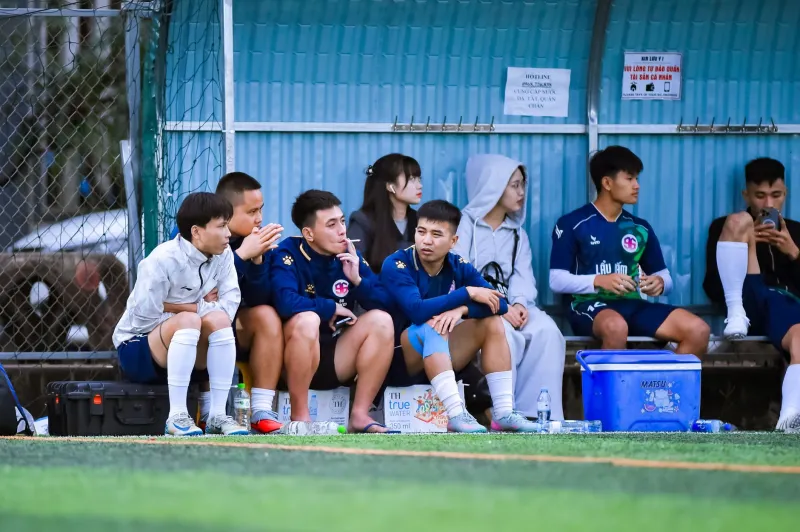
Here's the thing about a bench player that nobody respects: they're invisible. Opponents ignore them. Analysts skip over them. The starter knows it, relaxes just a little, and performance naturally drifts toward comfort.
Now flip it. Imagine your team's second-string player has been quietly dominant in scrims, has a public performance record that makes analysts nervous, and is visibly hungry. Suddenly the starter isn't just competing against opponents — they're competing against their own teammate for the right to be on the server.
That internal pressure is a feature, not a bug. The best organizations engineer it deliberately.
In traditional sports, depth charts have always served this dual purpose. The NFL figured out decades ago that a credible backup quarterback doesn't just provide insurance — they make the starter practice harder. The same logic applies in a League of Legends or Valorant roster, except the stakes rotate faster and the margin between a good performance and a bad one is measured in milliseconds.
When Opponents Have to Prepare for Two Players
The strategic tax imposed on opponents is where this concept gets genuinely interesting.
Analysis teams — the war rooms behind every serious esports org — spend significant hours building profiles on individual players. Playstyle tendencies, champion or agent pools, communication patterns under pressure, positional habits in late-game scenarios. That work is expensive in time and mental bandwidth.
When a roster features one real threat in a given role, opponents can dedicate those hours to a focused counter-strategy. When two players are legitimate, credible threats with different playstyles? The opponent has to split that preparation. And in a tournament bracket with multiple matches across compressed days, that cognitive load compounds fast.
Consider what happened in North American Valorant over the past few years, where several organizations began developing IGL-capable duelists as secondary options. The public narrative was always about depth. The actual effect was that opposing analysts couldn't confidently predict which read they needed to prioritize. Teams that had locked in their pre-match game plans suddenly found themselves reacting instead of executing.
One team's preparation becomes the other team's chaos engine.
The Starter's Reckoning
Let's be direct about something: not every starter handles this well.
Building a legitimate backup creates a pressure environment that some players thrive in and others quietly crack under. The ones who thrive tend to be wired with what sports psychologists call a mastery orientation — they're competing against their own previous performance ceiling, not against the threat behind them. The presence of a capable substitute just sharpens the blade.
The ones who crack often have ego structures built on exclusivity. They need to be the only option to feel secure. When that exclusivity disappears, performance doesn't always drop immediately — but the cracks appear in communication patterns, in risk-taking behavior, in how they respond to in-match adversity. Coaches who know what to look for can see it weeks before it shows up in a scoreline.
This is why the best organizations don't just develop strong backups — they develop strong cultures around competition. The message has to be consistent: the person earning the start every week is the person who deserves it that week. No inherited positions. No protected legacies.
That's a Spartan principle, and Sons of Kryos has covered the Spartan model before. The agoge didn't produce warriors by making them comfortable. It produced warriors by making comfort impossible.
Flexibility as a Championship Variable
Beyond the psychological dimension, there's a purely tactical case for building backup depth with genuine intent.
Tournament formats increasingly reward adaptability. Best-of-five series, multi-day brackets, roster checks that allow mid-series substitutions in certain competitions — these structures create real opportunities for organizations that have invested in depth. The team that can swap in a fresh, prepared player at a strategic moment isn't just reacting to fatigue or tilt. They're executing a plan.
Some of the most memorable moments in North American esports history have come from exactly this scenario: a substitute entering a must-win situation, unencumbered by the mental weight the starting lineup had been carrying, and simply performing. The opponent prepared for someone else. The backup arrived instead. The preparation advantage evaporated.
That's not luck. That's organizational design.
The Org That Builds This Way Wins Twice
Here's the final layer that most coverage misses: the organization that deliberately develops credible backups also wins in the market.
When a starter's contract comes up, the negotiating leverage shifts. The player knows there's a tested, capable replacement ready. The org isn't desperate. Deals get done at fair value rather than inflated value, and the roster stays financially sustainable through multiple competitive cycles.
The backup who became the backup plan isn't just a strategic weapon during matches. They're an economic anchor during roster management season.
Build the bench. Make it real. Make it visible. And watch how many problems solve themselves before you ever have to solve them directly.


