City-States of the Controller: 8 American Cities Forging the Next Generation of Esports Dynasties
In the ancient world, where you were born determined how you fought. Spartans were methodical, ruthless, and built for endurance. Athenians were adaptive, strategic, and culturally rich. Corinthians were merchants and navigators who turned commercial cunning into battlefield advantage. The city-state wasn't just a location — it was an identity, a fighting philosophy, a legacy that shaped every warrior who came out of its gates.
The United States is doing something similar right now, and most people haven't fully clocked it yet. Across the country, specific cities have developed their own distinct esports cultures, infrastructure, and competitive identities. Some are obvious. Some will surprise you. All of them are producing the kind of talent and community energy that builds dynasties.
These are the eight American city-states of competitive gaming. Find yours. Claim it.
1. Los Angeles, California — The Athens of American Esports
If Athens was the cultural and intellectual capital of the ancient Greek world, Los Angeles is its modern esports equivalent. The infrastructure here is simply unmatched — Team Liquid's North American headquarters, 100 Thieves' campus, FaZe Clan's roots, Cloud9's operational presence. The entertainment industry crossover gives LA esports a media fluency that no other city can replicate.
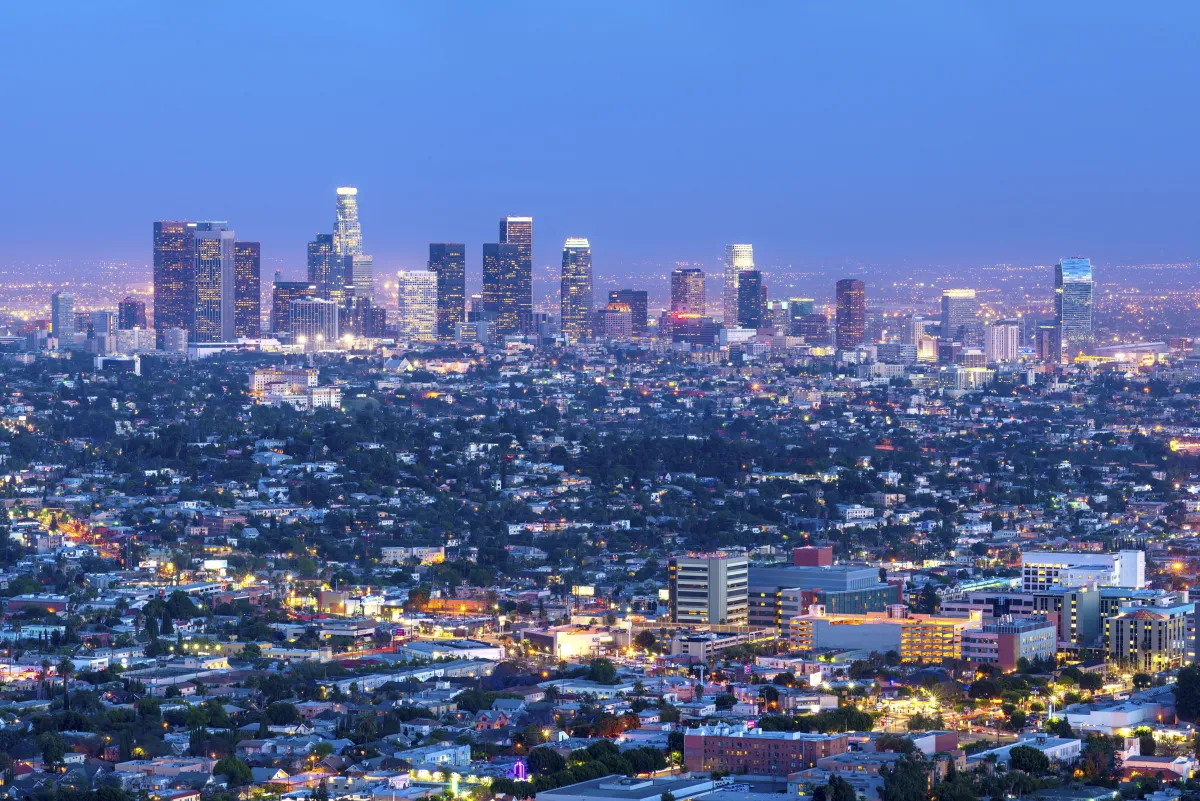 Photo: Los Angeles, California, via www.tripsavvy.com
But LA's real power is its talent magnetism. Players relocate here to train, to be seen, and to compete at the highest level. The scene rewards adaptability and creativity, much like Athens rewarded philosophy and innovation. If you want to understand the cultural direction of American esports, watch what LA does next.
2. Columbus, Ohio — The Sparta of the Midwest
Don't sleep on Columbus. While coastal cities get the headlines, Columbus has been quietly building one of the most disciplined and community-driven esports ecosystems in the country. Ohio State University's esports program is among the most competitive in collegiate play, and the city has developed a grassroots infrastructure that emphasizes fundamentals and team cohesion over individual flash.
 Photo: Columbus, Ohio, via thumbs.dreamstime.com
This is Sparta energy — not glamorous, not flashy, but deeply effective. Columbus players tend to be mechanically sound, team-oriented, and built for sustained performance rather than highlight-reel moments. The Midwest work ethic is real, and it shows up in the ranked queues.
3. Austin, Texas — The Corinth of the South
Corinth was a crossroads city — positioned between Athens and Sparta, it absorbed influences from everywhere and turned commercial energy into competitive advantage. Austin is playing that same role in American esports. The city's explosive tech growth has attracted investment, talent, and infrastructure. ESL's North American operations have ties here, and the local LAN scene is consistently punching above its weight class.
What makes Austin distinct is the hybrid culture — part Silicon Valley startup mentality, part Southern community loyalty. The esports scene here feels entrepreneurial in a way that's unique. Players aren't just competing; they're building brands, creating content, and treating competitive gaming like a business from day one.
4. New York City, New York — The Rome of the East Coast
Rome wasn't built in a day, and New York's esports scene took longer than it should have to match the city's cultural gravity. But it's arrived. The New York Excelsior in Overwatch League helped crystallize a regional identity, and the city's sheer population density creates a talent pool that's almost unfair. Colleges like NYU and Columbia have invested in esports programs, and the LAN cafe culture that thrives in Brooklyn and Queens produces street-level competition that's as intense as anything happening in a professional facility.
New York players carry an edge — a chip on the shoulder, a need to prove the East Coast belongs at the top table. That hunger is a competitive asset.
5. Seattle, Washington — The Viking North
Seattle has a specific energy that maps almost perfectly onto Norse warrior culture — independent, weather-hardened, and deeply community-driven. The Pacific Northwest esports scene developed largely outside the influence of big organizational money, which means it's built on genuine passion rather than manufactured hype.
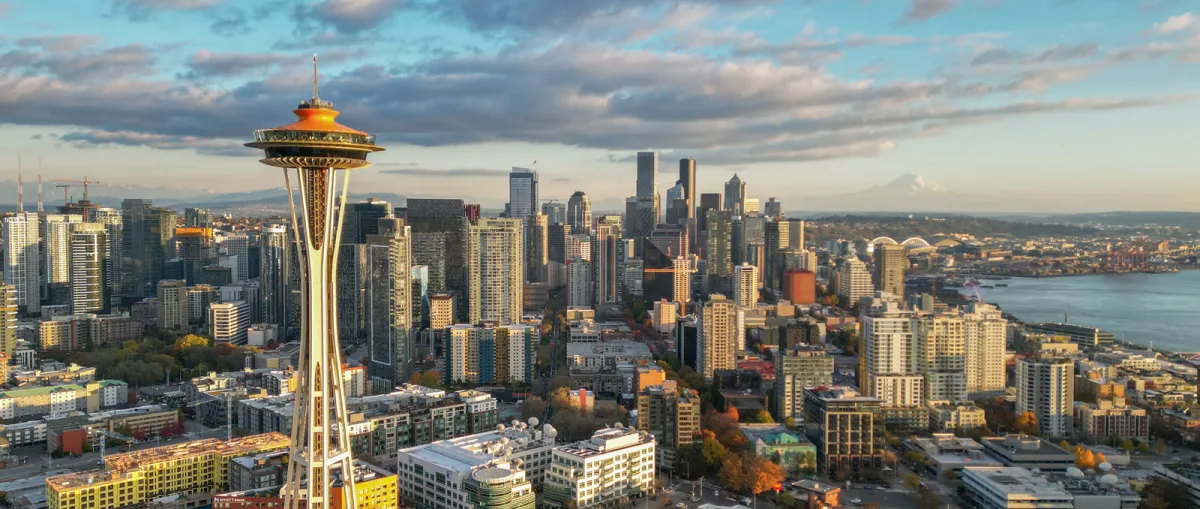 Photo: Seattle, Washington, via uploads.visitseattle.org
Valve's home base being in Bellevue (just across the lake) isn't incidental. The Dota 2 and Counter-Strike communities here are among the most technically knowledgeable in the country. Seattle players tend to be analytical and methodical — the kind of competitors who win through preparation and map knowledge rather than mechanical outdueling. Think less berserker, more tactician.
6. Atlanta, Georgia — The Rising Legion
Atlanta is the city that everyone in esports is watching right now. The Atlanta FaZe's back-to-back Call of Duty League championships put the city on the map in a way that can't be ignored, and the local scene has exploded in response. Georgia's universities are investing heavily in esports infrastructure, and the city's deep connection to hip-hop and entertainment culture gives Atlanta esports a branding instinct that most cities lack.
This is a city that knows how to build cultural movements. It's doing it again in gaming, and the momentum feels like it's just getting started.
7. Chicago, Illinois — The Fortified City
Chicago's esports identity is built around resilience. The city doesn't have the organizational concentration of LA or the tech investment of Austin, but it has something arguably more valuable: a massive, passionate player base that refuses to be overlooked. The Chicago scene has produced consistent collegiate talent and hosts some of the most attended regional LAN events in the Midwest.
Like a fortified city-state that survives through sheer stubbornness and community solidarity, Chicago esports keeps punching. The infrastructure is growing — venues, programs, and investment are all trending upward. This is a city on the verge of a breakthrough moment.
8. Raleigh, North Carolina — The Forge Town
Raleigh might be the most underrated city on this list. The Research Triangle's concentration of universities and tech companies has created a quietly exceptional esports ecosystem. North Carolina's collegiate scene is deep, the local LAN community is fiercely competitive, and the city regularly hosts major events that attract national-level talent.
Raleigh is where players go to get forged. It's not the biggest stage, but the competition-to-population ratio is extraordinary. Warriors who come out of the Triangle tend to be technically refined and mentally tough — the product of a scene where everyone is genuinely good and there's no room to coast.
Claim Your City-State
The ancient city-states didn't wait for permission to build something legendary. They took the resources available to them — the geography, the culture, the people — and forged an identity that lasted centuries.
Your city is doing the same thing right now. Whether you're in LA or Columbus, Austin or Raleigh, the scene around you is part of your competitive identity. Represent it. Build it. The next dynasty of American esports isn't going to emerge from a boardroom — it's going to come from a local LAN, a university team, or a ranked queue in one of these eight cities.
Which city-state do you fight for?