Gods of the Game: Which Ancient Deity Matches Your Competitive Playstyle?
Here's a wild thought: the gods of ancient mythology were basically the original esports archetypes. You had your aggressive carries who hit first and asked questions never. You had your strategic masterminds who won through information and patience. You had your chaotic wildcards who nobody could predict and everyone was terrified to lane against.
The mythologies of Greece, Norse tradition, and Aztec culture weren't just stories — they were character studies in competitive personality. And the archetypes they described? They're alive and well in every ranked lobby, every scrim, every tournament bracket in 2024.
So let's settle the question. Which god are you?
Zeus — The Aggressive Carry Who Runs It Down
Your game: League of Legends (mid lane), Valorant (entry fragger)
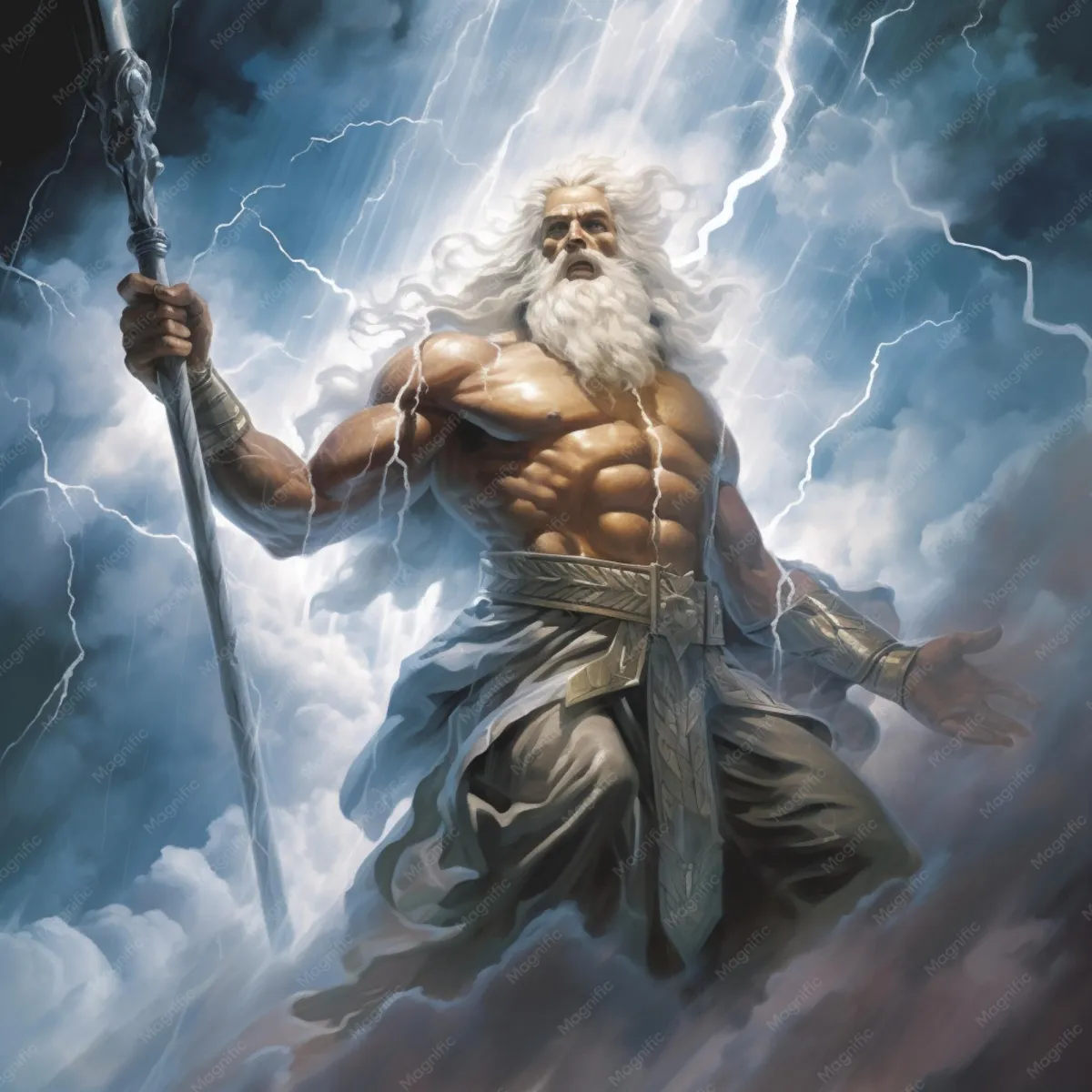 Photo: Zeus, via img.freepik.com
Zeus doesn't negotiate. Zeus doesn't wait for the perfect moment. Zeus creates the moment through sheer overwhelming force and then dares anyone to respond. If your default answer to any in-game problem is "push harder," congratulations — you're playing in the image of the king of Olympus.
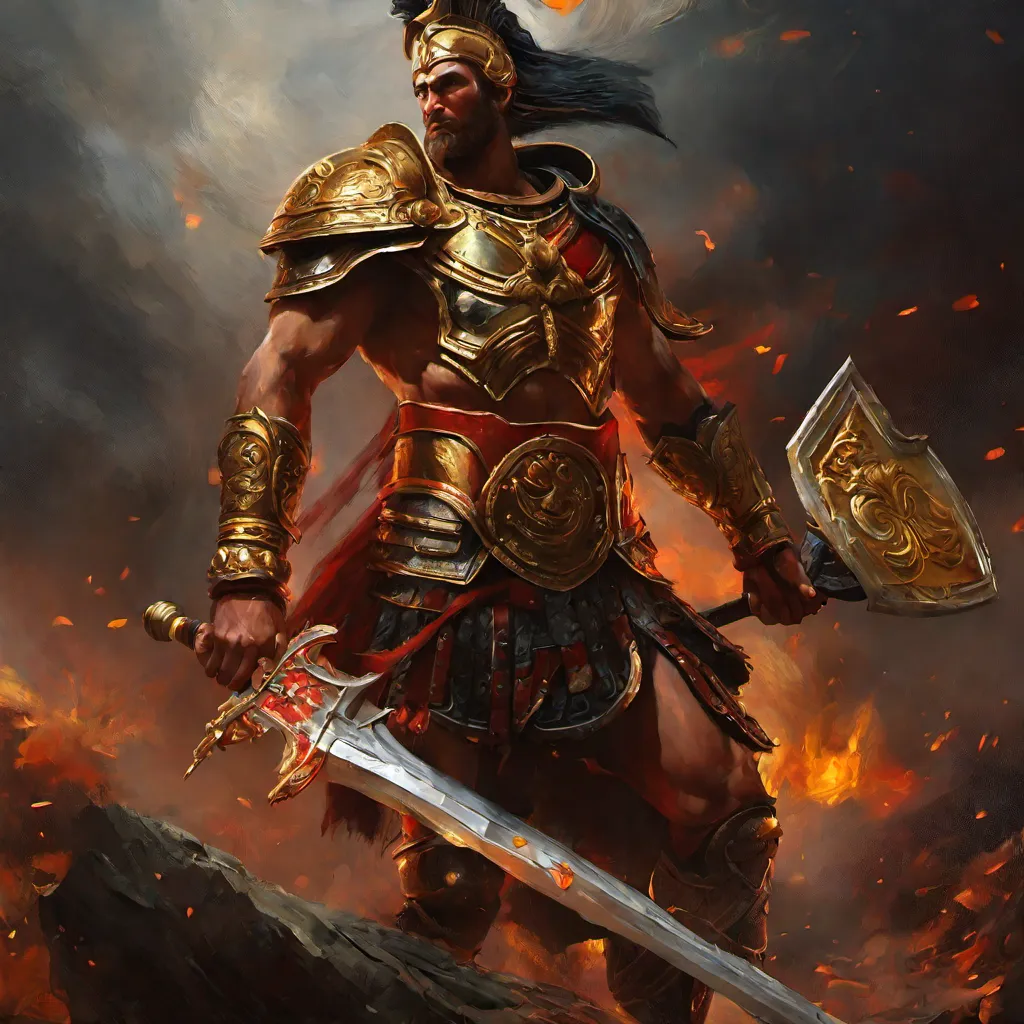 Photo: Ares, via cdn.dribbble.com
The aggressive carry archetype is the engine of most competitive team comps. You're the player who takes fights before they're "safe," who plays with the kind of confidence that looks reckless to everyone watching but somehow keeps working. In Valorant, you're the Jett or Reyna main who clears a site before your team finishes calling the execute. In League, you're the Zed or Akali player who's either winning the game or gifting it away — there's no middle ground.
Lean into it by: Pairing your aggression with better information. Zeus had lightning, but he also had the high ground — literally and strategically. Study the mini-map like it's a battlefield report. Aggression backed by awareness is terrifying. Aggression without it is just feeding.
Odin — The Strategic IGL Who Sees Three Moves Ahead
Your game: CS2 (IGL), Dota 2 (support/offlane)
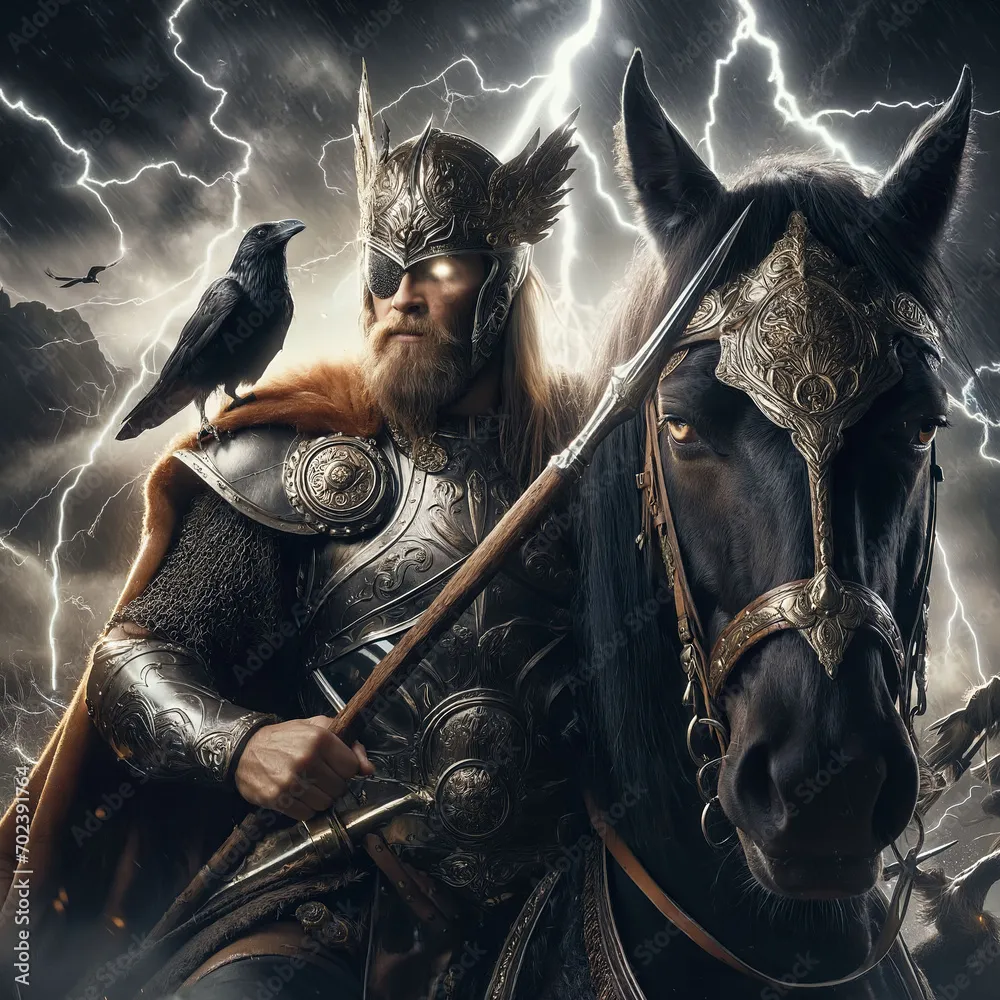 Photo: Odin, via as2.ftcdn.net
Odin sacrificed his eye for wisdom. He hung himself from Yggdrasil for nine days to learn the runes. The All-Father was not interested in winning individual fights — he was obsessed with winning wars. Sound familiar?
If you're the player who's always calling rotations, tracking enemy cooldowns, and thinking about win conditions while everyone else is focused on the current skirmish, you've got Odin energy. You're the IGL in CS2 who calls a B execute not because the numbers favor it but because you've read the enemy's tendencies over three rounds and know exactly when they over-rotate. In Dota 2, you're the support who wins games through vision and timing rather than damage output.
Lean into it by: Trusting your reads more aggressively. Odin's biggest weakness was over-preparation — sometimes the right move is to commit to the call before you have perfect information. The best IGLs make decisive reads on incomplete data. Train yourself to pull the trigger on your reads faster.
Ares — The Mechanical Monster Who Lives for the Duel
Your game: Street Fighter 6, Mortal Kombat, 1v1 ranked anything
Ares isn't a strategist. He's a force of nature. Where Odin wins through wisdom and Zeus wins through dominance, Ares wins because he is simply better at fighting than whoever's in front of him. He's the god of war in the most literal, mechanical sense — pure combat mastery.
This is your archetype if your competitive identity is built on being mechanically superior. You're the fighting game player who's put in thousands of hours on execution, the one whose muscle memory is so dialed in that you can react to situations before your conscious brain has processed them. You might not always make the "right" macro decision, but your micro is so clean it doesn't matter.
Lean into it by: Adding one layer of game sense to your mechanical foundation. Ares lost battles because he couldn't adapt his approach when brute force wasn't working. Learn to recognize when the matchup requires a different tool than raw execution — even one layer of adaptability makes mechanical players dramatically harder to counter.
Loki — The Unpredictable Wildcard Nobody Can Prepare For
Your game: Apex Legends, Teamfight Tactics, off-meta picks in any title
Loki is the most dangerous player in any lobby — not because of raw power, but because nobody knows what he's going to do next. He's the shapeshifter, the trickster, the guy who shows up to a tournament with an off-meta pick that nobody has counterplay for because they've never seen it before.
If your competitive identity is built on doing the unexpected, playing picks that nobody respects until it's too late, and adapting your approach mid-game in ways your opponents can't track — you're Loki. In TFT, you're the player who hits a composition nobody else is running and goes 1st because the lobby didn't build to counter it. In Apex, you're the squad that rotates through positions nobody expects and third-parties fights from angles that make no logical sense until they absolutely work.
Lean into it by: Building a deeper champion/character pool so your unpredictability has more tools. Loki's chaos was effective because he had real options — he wasn't random, he was strategically unpredictable. There's a difference. Expand your toolkit so your wildcards are genuine surprises, not desperation plays.
Huitzilopochtli — The High-Stakes Clutch Player Who Feeds on Pressure
Your game: Valorant (clutch situations), fighting game grand finals
The Aztec god of the sun and war was not a passive deity. Huitzilopochtli had to fight every single night to bring the sun back — and failure meant the end of everything. That's not a metaphor. Every performance was a high-stakes, everything-on-the-line moment.
If you play better when the pressure is highest — if a 1v3 clutch situation actually calms you down rather than spiking your anxiety — you're channeling Huitzilopochtli. These are the players who statistically perform better in elimination scenarios than in comfortable leads. The pressure isn't a burden for you. It's fuel.
Lean into it by: Simulating high-pressure situations in practice. The risk with this archetype is that you can become dependent on pressure to perform, which means you sleepwalk through comfortable wins. Manufacture urgency in scrims. Treat every round like it's match point.
The gods of ancient mythology didn't just represent power — they represented identity. Every archetype had strengths worth leaning into and blind spots worth acknowledging. The best competitive players do the same thing: they know exactly which god they're playing as, and they build their game around making that identity as dangerous as possible.
So — which one are you?