Steel Discipline: 5 Pro Esports Training Habits That Ancient Warriors Would Respect
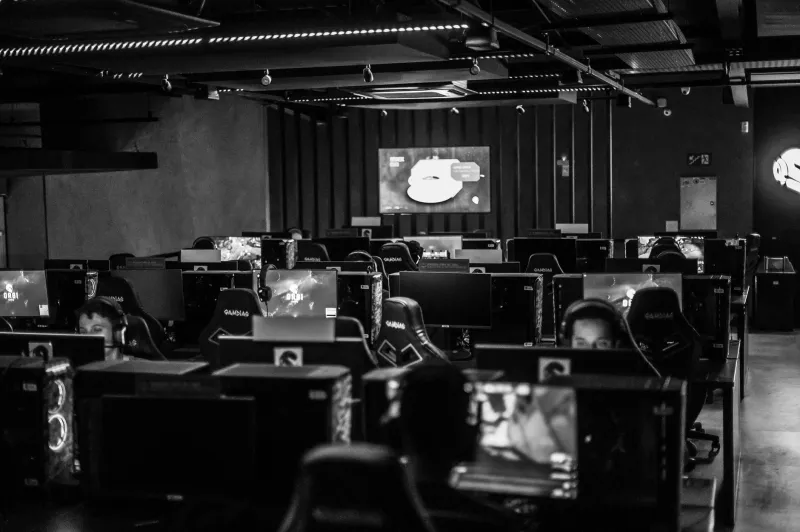
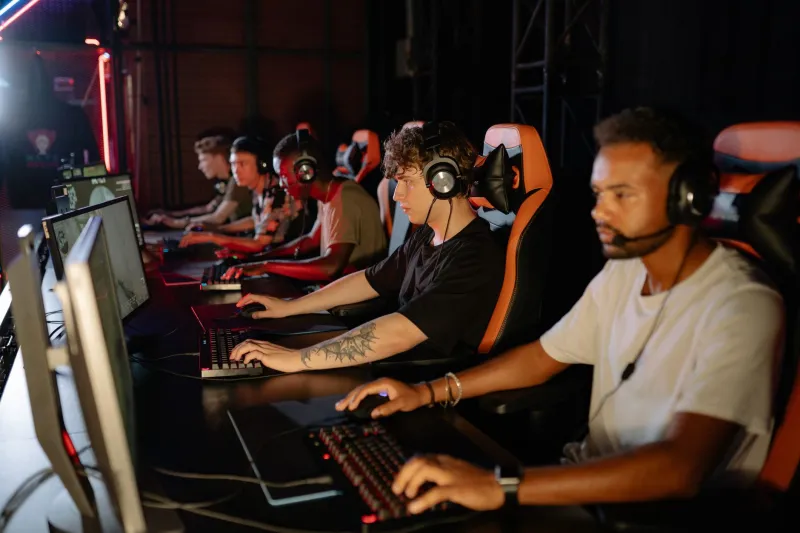
Forget the stereotype of the energy-drink-chugging gamer who rolls out of bed at noon and queues ranked in his pajamas. The top tier of competitive gaming in the United States looks nothing like that. What it actually looks like is closer to a Division I athletic program — structured, data-driven, physically demanding, and mentally brutal.
At Sons of Kryos, we've always believed that the warrior ethos isn't dead — it just evolved. And nowhere is that more obvious than in the daily training regimens of America's elite esports competitors. We broke down five of the most defining habits of pro-level play and matched them against the disciplines of history's most feared warrior cultures. The overlap will mess with your head.
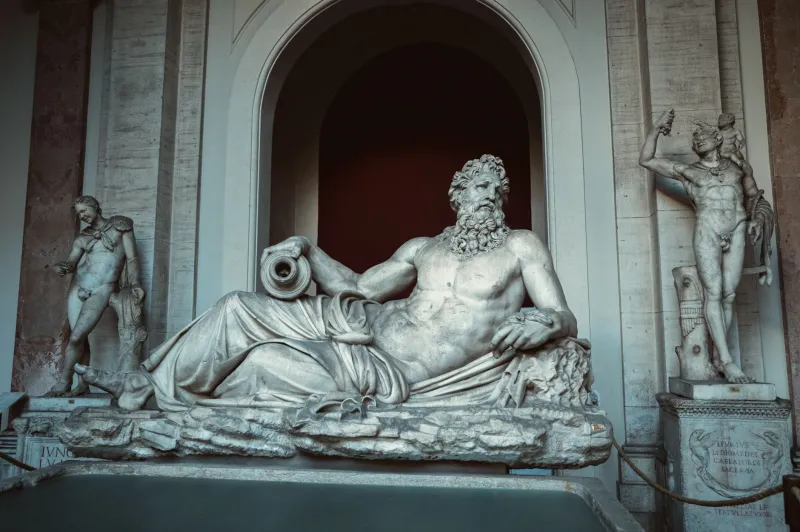
1. The Structured Sleep Protocol — Spartan Recovery Science
What the pros do: Top competitors on rosters like those at 100 Thieves, Team Liquid, and Evil Geniuses operate on strict sleep schedules — typically 8 to 9 hours, with consistent wake times regardless of the previous night's scrim session. Sleep isn't treated as downtime; it's treated as performance infrastructure. Many orgs now employ sleep coaches who monitor REM cycles and adjust training loads based on recovery data.
The ancient parallel: Spartan warriors trained under the Agoge, a state-run conditioning program that was as much about recovery discipline as it was about combat. Spartans understood that an exhausted soldier makes fatal errors — and they built mandatory rest into their military culture at a time when most armies just ran their men into the ground.
Your takeaway: Stop treating sleep like something you negotiate with. Pick a consistent bedtime and wake time and protect them like a ranked series win. Even a 30-minute improvement in sleep consistency has been shown to measurably improve reaction time and decision-making — the two things that separate good players from great ones. Start tonight.
2. Reaction Time Drilling — The Roman Legionnaire's Repetition Doctrine
What the pros do: Before scrims even begin, most professional players spend 30 to 60 minutes on isolated mechanical drills. For FPS players, that means aim trainers like Aimlabs or KovaaK's — running the same scenarios hundreds of times until the muscle memory is automatic. MOBA and RTS players drill last-hitting, hotkey sequences, and unit micro until those actions require zero conscious thought.
The ancient parallel: Roman legionnaires were famous for drilling the same combat maneuvers — the shield bash, the short-sword thrust, the formation pivot — to the point of complete automaticity. Roman military doctrine held that a soldier who has to think about his next move is already dead. The training was designed to make the right action the default action under pressure.
Your takeaway: Build a pre-session drill routine and do it every single time before you queue. Doesn't need to be an hour. Even 15 focused minutes of aim training or mechanical practice will compound dramatically over weeks. The goal is making your best plays feel boring — so they're available when the stakes are highest.
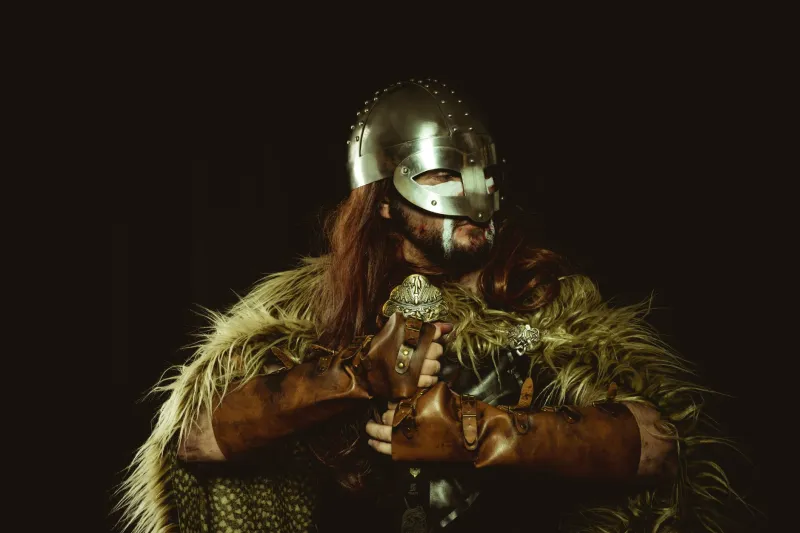
3. VOD Review and Strategic Study — Viking Saga Intelligence
What the pros do: Professional teams dedicate hours each week to reviewing recorded gameplay — their own matches and their opponents'. Analysts build dossiers on rival teams' tendencies, preferred strategies, and exploitable habits. This isn't passive watching; it's structured, annotated study with coaches guiding the conversation.
The ancient parallel: Viking raiders were meticulous intelligence gatherers before they were fighters. Successful Norse war leaders sent scouts ahead, studied coastal defenses, and adapted their tactics based on what they learned. The raid that looked like raw aggression was almost always the product of careful preparation. The Eddas — the Norse mythological texts — are full of heroes who win not just through strength but through knowledge weaponized at the right moment.
Your takeaway: Record your sessions and actually watch them back — at least one replay per week. You don't need analyst software. Just watch yourself play with the sound off and ask one question: "What decision cost me the most here?" One honest answer per session, applied consistently, will level up your strategic thinking faster than almost anything else.
4. Physical Conditioning — The Samurai's Whole-Body Philosophy
What the pros do: This one surprises people. A growing number of top US esports competitors maintain serious physical fitness routines — not for aesthetics, but for performance. Posture work, wrist and forearm conditioning, cardiovascular fitness, and eye exercises are all standard in high-level programs. Cloud9 and Team SoloMid have both invested in physical training staff. The reasoning is simple: a healthy body sustains longer, more focused sessions with fewer injury interruptions.
The ancient parallel: The samurai tradition of Bunbu Ryodo — the dual path of literary and martial cultivation — held that a warrior who neglected any dimension of self-development was incomplete. Samurai were expected to be poets, strategists, and fighters simultaneously. Physical conditioning wasn't separate from mental sharpness; it was the foundation of it.
Your takeaway: Add three things to your weekly routine: a 20-minute walk daily (cardiovascular baseline), wrist and forearm stretches before and after every session (injury prevention is a career-length investment), and one upper-body strength session per week. You don't need to become an athlete. You need to not become a liability to your own performance.
5. War Room Strategy Sessions — The Art of War in a Headset
What the pros do: Before major tournaments, professional teams enter what amounts to a strategic lockdown — extended sessions where the entire roster, coaching staff, and analysts work through opponent tendencies, draft theory, map control philosophy, and in-game communication protocols. These sessions can run four to six hours, with structured breaks and assigned roles for each participant. It's less a meeting and more a military planning operation.
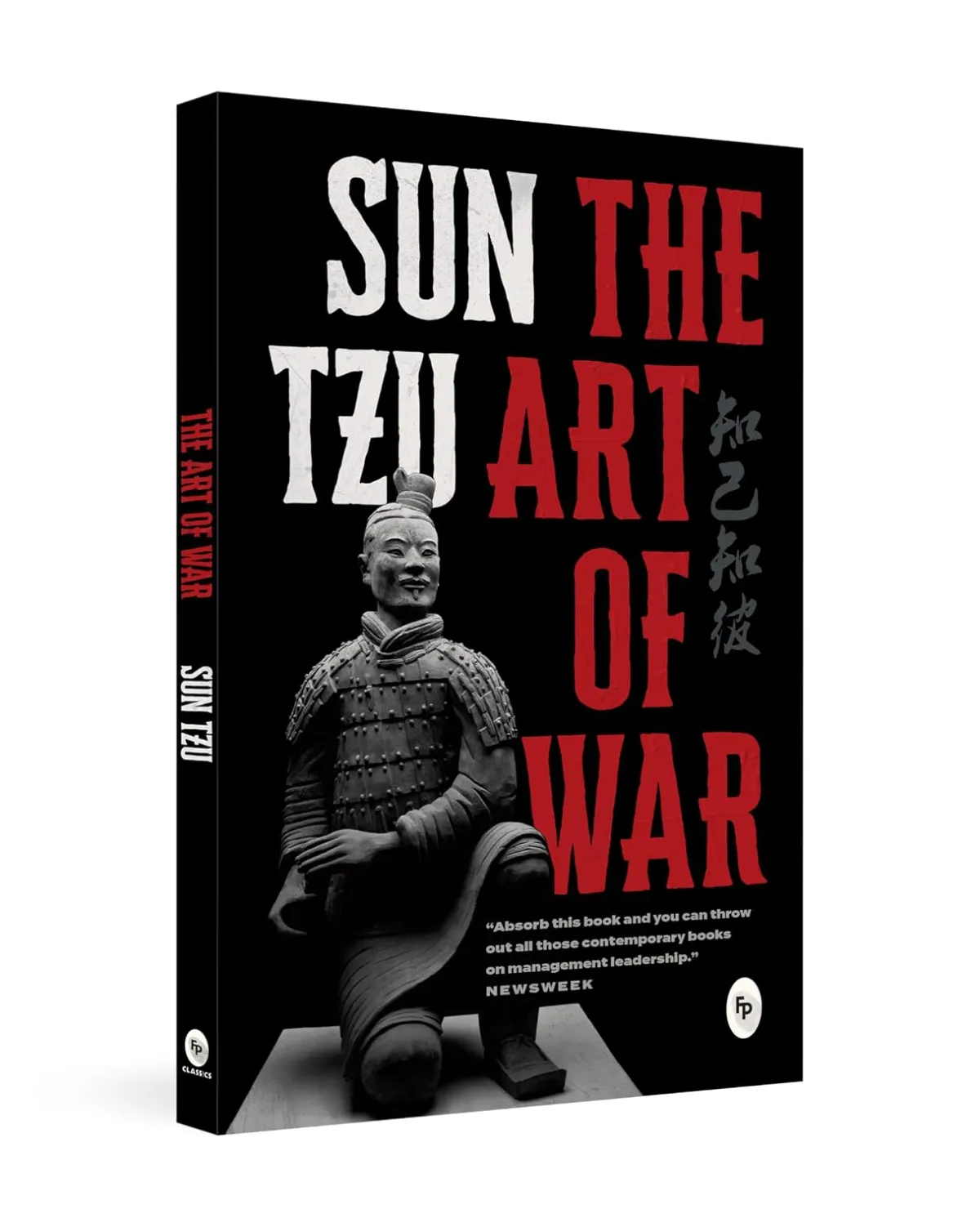 Photo: The Art of War, via m.media-amazon.com
The ancient parallel: Sun Tzu's The Art of War opens with the declaration that "all warfare is based on deception" — but the chapters that follow are almost entirely about preparation, intelligence, and strategic positioning before the first blow is ever struck. Chinese military tradition, like the Roman and Spartan models, held that the battle was largely won or lost in the planning room. Generals who improvised were considered dangerously incompetent.
 Photo: Sun Tzu, via www.worldatlas.com
Your takeaway: If you play with a regular group, schedule one dedicated strategy session per week that has nothing to do with actually playing. Thirty minutes on voice chat, talking through what's working, what isn't, and what you're going to try differently. Bring notes. Assign someone to run the session. Treat it like it matters — because it does.
The Common Thread
What connects Spartan recruits, Roman soldiers, Viking raiders, samurai, and the top esports competitors in the country right now isn't talent. It's the decision to treat their craft as something that demands total commitment — structured, intentional, and relentless.
The warriors of antiquity didn't stumble into greatness. They built it, daily, through habits that compounded over years. The best competitive gamers in America are doing the exact same thing, just with a keyboard and a headset instead of a shield and a gladius.
You already know what you need to do. The question is whether you're ready to actually do it.
Sons of Kryos was built for the ones who are.