Seven Laws of the War Council: The Unwritten Code Every Elite Guild Lives and Dies By
There's a reason the Spartans didn't just train together — they lived together, ate together, and held each other accountable to a code so embedded in their culture it didn't need to be written down. Nobody handed a Spartan warrior a rulebook. The expectations were simply known.
The best gaming guilds operate the same way.
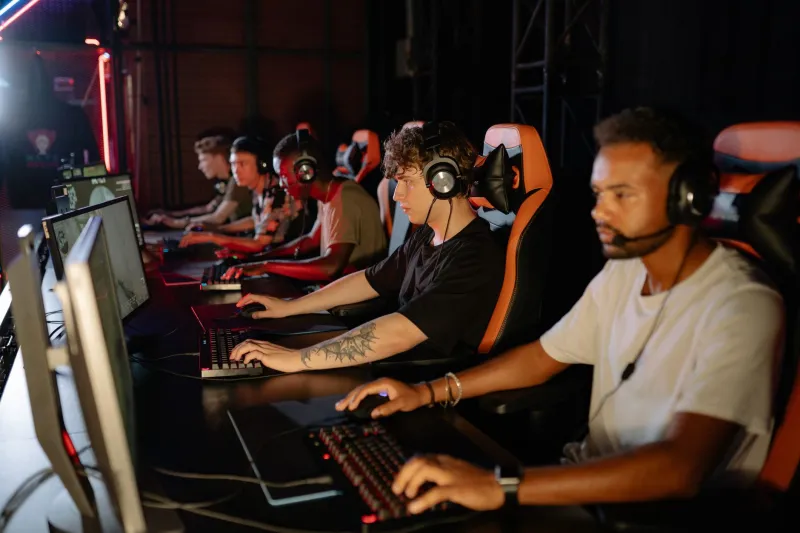
You've seen the difference. Some rosters show up to scrims with energy, locked-in communication, and a shared language that makes them look almost telepathic. Others have five talented individuals who somehow lose to teams half their skill level because nobody's on the same page. The gap between those two groups isn't mechanical skill. It's culture. It's the code.
Here at Sons of Kryos, we live for this stuff — the intersection of competitive discipline and mythological brotherhood. So we broke down the seven unwritten laws that elite guilds actually follow, whether they've ever articulated them or not.
 Photo: Sons of Kryos, via image.yachtbuyer.com
1. Silence Has Weight — Use It Right
Top competitive teams don't talk constantly. They talk precisely. In League of Legends, Valorant, or any high-stakes title, unnecessary callouts are noise that burns cognitive bandwidth. The great warrior oaths of Norse tradition valued the spoken word as something sacred — you didn't waste it.
Elite guilds develop what coaches call "minimum viable comms" — the shortest possible callout that carries the maximum amount of information. "Dragon in 20" beats a three-sentence explanation every time. Train your team to strip communication down to its essential bones.
2. Rank Is Earned in the Lobby, Not the Locker Room
Hierarchy in legendary guilds isn't handed out based on seniority or who started the Discord server. It's earned through consistent performance and demonstrated leadership under pressure. Think of the Norse concept of drengr — a warrior who proved worth through action, not title.
This matters practically because guilds that run on ego-based rank structures collapse when a newer player outperforms the "veteran." The fix is simple: leadership roles should rotate based on performance metrics, not tenure. Your IGL (in-game leader) should be whoever reads the game best right now.
3. Conflict Gets Settled in the War Room, Not the Feed
Every guild has internal friction. The ones that survive it have a protocol for handling it that doesn't involve Twitter beef or passive-aggressive pings in the team channel. Ancient Greek city-states held formal councils specifically because they understood that unresolved conflict rots an army from the inside.
The rule is simple: disagreements about strategy, role assignments, or performance get aired in a dedicated debrief session — not during a match, not in public channels, and definitely not on social media. You fight your enemies outside. Internal disputes stay in the war room.
4. Every Member Carries the Shield — No Tourists
This one's brutal but necessary. Elite guilds have zero tolerance for passengers — players who show up for the wins but ghost during the grind. The Spartan phalanx worked because every soldier trusted the person beside them to hold their shield position. One gap in the line and the whole formation breaks.
In practice, this means establishing baseline commitment expectations upfront. Minimum scrimmage attendance, VOD review participation, and active communication during off-weeks aren't optional. They're the shield wall. Anyone unwilling to hold their position gets rotated out before they become a liability.
5. The Debrief Is Sacred
Post-match VOD review is where elite guilds actually separate themselves from the pack. It's not glamorous. It's often uncomfortable. But the teams that watch their losses with the same intensity they celebrate their wins are the teams that keep improving.
Mythologically, this echoes the Aztec warrior tradition of ritual reflection after battle — understanding what happened and why wasn't optional, it was the foundation of future victory. Make your debrief culture non-negotiable. Assign specific players to identify specific moments. Keep it analytical, not emotional.
6. Loyalty Runs Both Ways — Or It Doesn't Run at All
Guild leadership that demands loyalty without offering it back in return creates resentment, not brotherhood. The best organizations — in esports and in ancient warrior culture alike — understood that the oath was mutual. Leaders protected their crew. The crew committed to the mission.
In modern guild terms, this means leadership advocates for players publicly, handles roster decisions with transparency, and doesn't sacrifice members to save face. In return, players commit fully to the team's direction even when they personally disagree. That reciprocal contract is what makes a guild feel like something worth fighting for.
7. The Legend Is Bigger Than Any One Player
The final law is the one most guilds fail at when success actually arrives. Individual recognition starts competing with collective identity, and suddenly you've got a team of streamers instead of a war council.
The greatest mythological brotherhoods — the Argonauts, the Fellowship, the Einherjar — are remembered as units, not individuals. Elite guilds protect that collective identity fiercely. Sponsorship deals, content creation, and personal branding all have their place, but they never eclipse the team name. The Sons of Kryos don't fight for personal glory. They fight to build a legacy that outlasts any single player's career.
These seven laws won't show up in any official guild handbook. But spend time around the teams that consistently compete at the highest levels and you'll find versions of every single one of them embedded in how those rosters operate.
The code isn't complicated. Following it consistently — especially when it's inconvenient — is what separates elite guilds from weekend squads. That's always been the difference between warriors and tourists.
You know which one you are.